

Dark circles under the eyes are a common cosmetic concern that affects people of all ages. They can make you look tired, older, and even unwell, even if you feel healthy and well-rested. Understanding the causes of dark circles and implementing effective remedies is essential for maintaining a fresh and youthful appearance.
They are influenced by multiple factors, including genetics, lifestyle, health, and skin type. Moreover, modern lifestyles with increased screen time, stress, and poor sleep patterns exacerbate the issue. Therefore, addressing dark circles requires a combination of preventive measures, natural remedies, and professional treatments.
Common Causes of Dark Circles
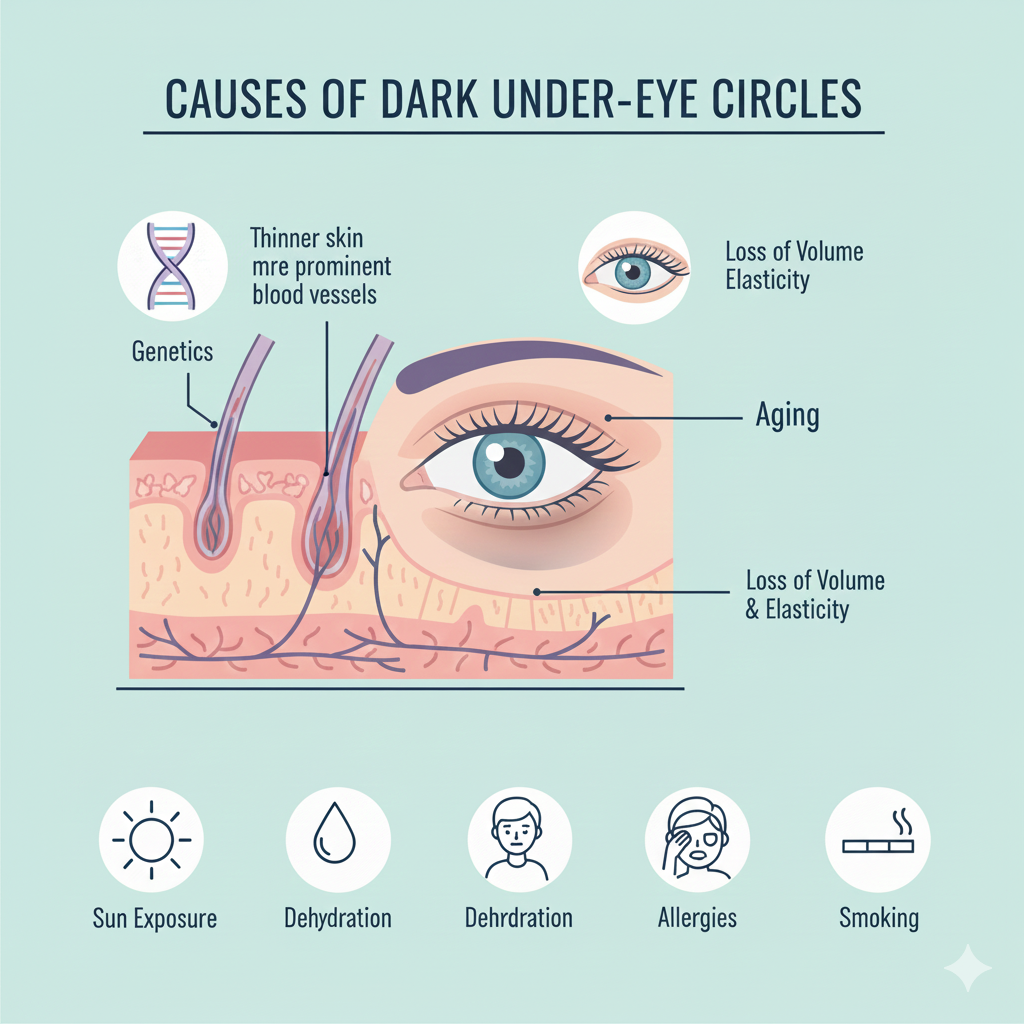
Understanding the root cause is the first step in managing them effectively. While sometimes they appear due to a single factor, often multiple causes contribute simultaneously.
1. Genetics
Genetics plays a significant role in the development of dark circles. If your parents or close relatives have prominent under-eye discoloration, you are more likely to experience it as well.
Inherited traits such as thin under-eye skin, visible veins, and pigmentation issues can make dark circles more noticeable. Moreover, people with fair skin may show blue or purple hues more prominently under the eyes.
2. Aging
Aging is a natural factor that contributes to dark circles. As you age, the skin loses collagen and elasticity, making veins and blood vessels under the eyes more visible.
Additionally, fat pads around the eyes may shift downward, creating shadows that worsen the appearance of dark circles. Therefore, dark circles often become more prominent with age.
3. Lack of Sleep
One of the most common lifestyle-related causes of dark circles is insufficient sleep. Sleep deprivation causes the skin to appear paler, making blood vessels under the eyes more visible.
Moreover, lack of sleep triggers fluid retention, which can lead to puffiness and shadowing. As a result, consistent quality sleep is critical for preventing and reducing dark circles.
4. Allergies and Nasal Congestion
Allergies cause the release of histamines, which can dilate blood vessels and lead to under-eye discoloration. Chronic nasal congestion can also increase blood flow to the veins under the eyes, enhancing dark circles.
Additionally, rubbing itchy eyes due to allergies can damage delicate skin and exacerbate pigmentation.
5. Dehydration
Dehydrated skin appears dull and sunken. The under-eye area is particularly susceptible because the skin is thinner than elsewhere on the body.
Drinking adequate water and maintaining proper hydration are crucial. Therefore, dehydration often worsens the visibility of dark circles.
6. Sun Exposure
Excessive sun exposure increases melanin production in the skin, leading to pigmentation and darkening under the eyes.
Sunscreen, sunglasses, and limiting direct sunlight exposure can help prevent hyperpigmentation in this delicate area. Moreover, UV protection slows down aging-related skin changes that contribute to dark circles.
7. Poor Diet
A diet lacking essential nutrients like iron, vitamin K, vitamin C, and antioxidants can contribute to dark circles.
Processed foods, high sodium intake, and sugar may also worsen puffiness and discoloration. Therefore, a balanced, nutrient-rich diet supports healthy under-eye skin.
Effective Remedies for Dark Circles
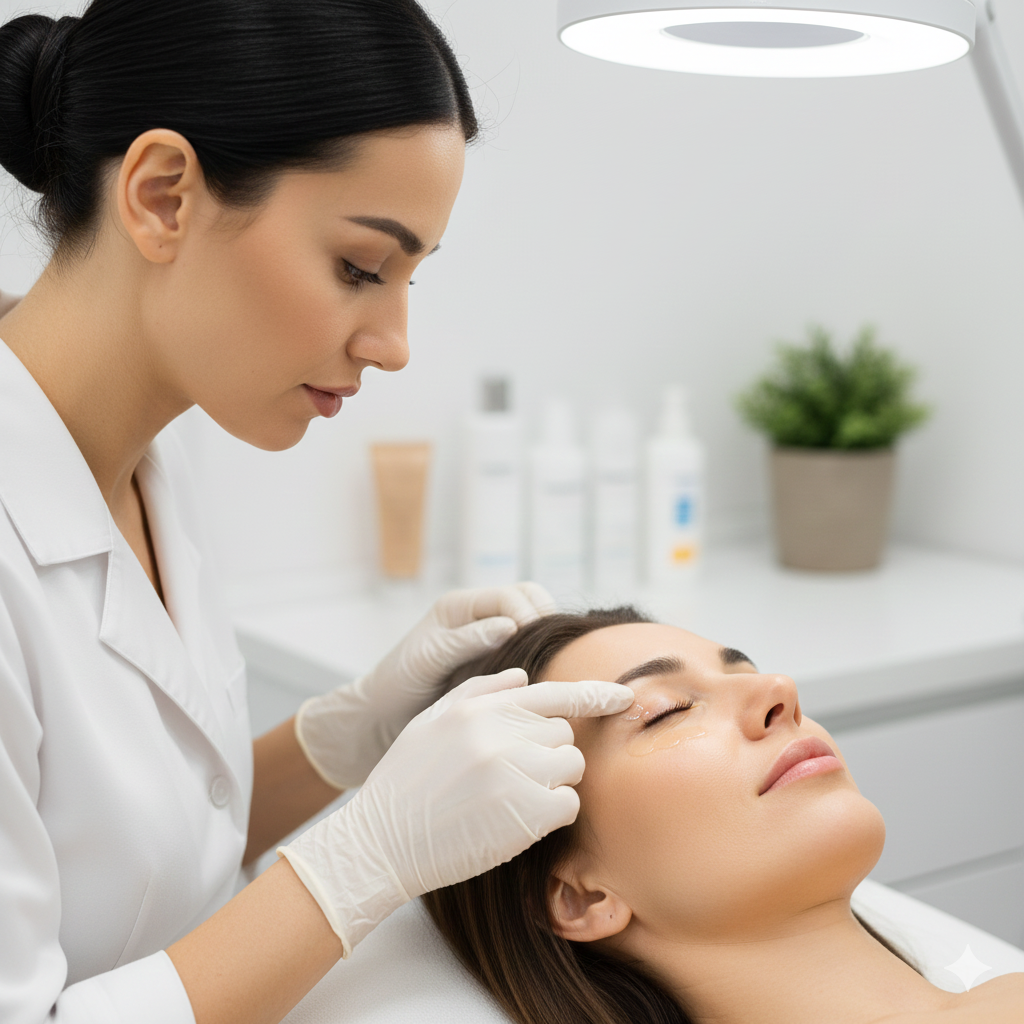
Once you understand the causes, implementing remedies can significantly reduce dark circles. Remedies range from lifestyle changes and home treatments to professional interventions.
1. Prioritize Quality Sleep
Sleep is foundational in managing dark circles. Adults should aim for 7–9 hours of restful sleep each night.
Tips for better sleep:
- Maintain a consistent sleep schedule
- Avoid screens at least 1 hour before bed
- Use comfortable pillows to elevate the head slightly
Moreover, regular sleep reduces puffiness and promotes healthy skin regeneration.
2. Cold Compresses
Applying a cold compress helps constrict blood vessels and reduce dark circles.
Methods:
- Cold spoons placed under the eyes for 5–10 minutes
- Chilled cucumber slices or tea bags
- Cold gel eye masks
As a result, cold therapy can temporarily minimize swelling and dark discoloration.
3. Proper Hydration
Hydration is essential for healthy skin. Drinking sufficient water flushes out toxins and maintains skin elasticity.
Tips:
- Aim for at least 8 glasses of water daily
- Include hydrating fruits and vegetables like cucumbers and watermelon
- Avoid excessive caffeine and alcohol, which dehydrates the body
Moreover, a hydrated body reflects directly in the skin’s brightness.
4. Eye Creams and Serums
Topical treatments enriched with vitamin C, retinol, hyaluronic acid, and peptides can improve under-eye appearance.
Benefits:
- Vitamin C brightens pigmentation
- Retinol stimulates collagen production
- Hyaluronic acid hydrates and plumps skin
Additionally, products with caffeine help reduce puffiness and improve circulation.
5. Natural Remedies
Natural ingredients offer effective and gentle solutions:
- Cucumber Slices: Cool and hydrate, reducing puffiness
- Potato Juice: Contains natural bleaching properties for pigmentation
- Almond Oil: Moisturizes and nourishes delicate under-eye skin
- Green Tea Bags: Antioxidants reduce swelling and discoloration
Applying these remedies consistently can gradually lighten.
A nutrient-rich diet supports skin health and reduces dark circles. Key nutrients include:
- Iron: Prevents anemia-related discoloration (spinach, lentils, red meat)
- Vitamin K: Supports blood clotting and reduces visible veins (kale, broccoli)
- Vitamin C: Boosts collagen and skin elasticity (citrus fruits, strawberries)
- Antioxidants: Protect skin from oxidative stress (berries, nuts, green vegetables)
Moreover, limiting salty and processed foods prevents fluid retention under the eyes.
7. Sun Protection
Using sunscreen daily prevents pigmentation under the eyes.
Tips:
- Apply SPF 30 or higher
- Wear sunglasses to reduce direct UV exposure
- Avoid prolonged sun exposure during peak hours
As a result, sun protection prevents further darkening and aging signs.
8. Professional Treatments
For persistent dark circles, professional interventions can be effective:
- Chemical Peels: Lighten pigmentation
- Laser Therapy: Targets deeper discoloration
- Fillers: Restore volume loss under the eyes
- Micro needling: Stimulates collagen and skin renewal
Moreover, consulting a dermatologist ensures safe and targeted treatments.
9. Lifestyle Adjustments
Small lifestyle changes can significantly impact :
- Reduce stress through meditation or yoga
- Limit alcohol and smoking, which damage the skin
- Take regular breaks from screens to reduce eye strain
Additionally, maintaining a healthy lifestyle supports overall skin health.
10. Avoid Rubbing Your Eyes
Rubbing the eyes damages delicate under-eye skin and worsens pigmentation.
Tips:
- Use gentle tapping motions when applying creams
- Keep your hands clean and avoid touching your eyes frequently
As a result, this simple habit prevents worsening dark circles.
Preventive Measures
Preventing dark circles is often easier than treating them:
- Maintain a consistent sleep schedule
- Follow a healthy diet rich in vitamins
- Protect eyes from sun exposure
- Stay hydrated
- Limit alcohol and caffeine intake
Moreover, using gentle skincare products and avoiding harsh chemicals prevents irritation and discoloration.

Conclusion
Genetics, ageing, lifestyle, and environmental variables all have an impact on the prevalence. Targeted therapies are possible when the underlying causes are understood. You can successfully lessen the look of dark circles by putting a high priority on getting enough sleep, staying hydrated, eating a diet high in nutrients, protecting yourself from the sun, and using gentle skincare products.
I used to have quite prominent black circles under my eyes, and I became aware that there could be a variety of reasons for them. My dark circles considerably decreased when I followed some helpful advice, such as getting enough sleep, drinking enough water, applying eye creams, and experimenting with natural solutions. To keep bright, healthy skin, you should also adhere to these guidelines, see your doctor if necessary, and take care of your general health.
Additional help for persistent discoloration is provided by expert interventions, topical therapies, and natural cures. Additionally, leading a healthy lifestyle stops the formation of new dark circles. Therefore, treating dark circles completely guarantees a new, youthful, and lively appearance.





Leave a Reply