

Stress plays a powerful role in overall skin and hair health by affecting internal body systems. When stress levels rise, stress hormones like cortisol increase inflammation and oil production. This process weakens the skin barrier and slows down natural repair.
Scientific studies show a strong mind-body connection between emotional stress and physical appearance. Ongoing stress disrupts blood circulation, collagen production, and hair growth cycles. Over time, these changes become visible through dull skin, breakouts, andhair thinning.
Understanding the Stress Skin and Hair Connection
Stress triggers hormonal changes that directly affect the body. When cortisol levels rise, the skin produces more oil and loses moisture. This weakens the skin barrier and makes the skin more sensitive to damage and irritation.
During emotional or physical pressure, the body shifts its focus from repair to survival. Elevated cortisol levels slow down cell renewal and disturb the natural skin barrier. As a result, skin looks dull and becomes more prone to breakouts and inflammation.
Meanwhile, hair health also suffers under constant stress. High cortisol levels interrupt the normal hair cycle, pushing hair into the shedding phase early. This imbalance weakens hair roots and increases hair fall over time.
The Science Behind Stress and Hormonal Imbalance
Stress activates the body’s defense system, releasing stress hormones like cortisol and adrenaline. These hormones disturb the natural hormonal balance and increase inflammation. As a result, skin barrier function weakens and hair growth cycles become irregular.
When cortisol levels stay high for long periods, oil production in the skin rises and collagen breaks down faster. This hormonal imbalance can lead to acne, dull skin, and early aging signs. At the same time, hair follicles receive fewer nutrients due to reduced blood circulation.
Over time, constant stress signals confuse the endocrine system and slow down cell repair. Inflammation caused by stress hormones affects scalp health and skin renewal. This explains why chronic stress is closely linked to hair fall, sensitivity, and uneven skin texture.
How Stress Changes Skin Behavior?
Our skin’s daily behavior is directly impacted by stress chemicals, particularly cortisol. Our skin tends to create more oil when cortisol levels rise, which can weaken the skin’s barrier and slow down its natural healing processes. This frequently results in skin that is duller, more sensitive, and more prone to outbreaks.
Long-term stress causes an increase in skin inflammation, which prolongs the healing process. This may increase the frequency of typical issues like redness, inflammation, and acne brought on by stress. High levels of stress can also cause the skin to lose moisture, leaving it dry and unevenly textured.
Chronic stress can eventually disrupt the skin’s cell turnover and reduce collagen levels. Early indicators of ageing, such as fine wrinkles and a loss of firmness, may be caused by these changes. Our skin finds it difficult to maintain equilibrium and clarity in the absence of efficient stress management.
Stress-Triggered Skin Problems You May Notice
Sudden changes in stress levels can increase cortisol, leading to stress acne, excess oil production, and clogged pores. Breakouts often appear on the face, jawline, and back during emotionally intense periods. Inflammation caused by stress hormones also slows down skin healing.
Many people experience flare-ups of existing conditions like eczema, psoriasis, and rosacea when stress becomes chronic. The skin barrier weakens, making skin more sensitive, itchy, and red. These stress-related skin issues often worsen without proper stress management.
Ongoing stress may accelerate premature aging, causing fine lines, dull skin tone, and uneven texture. Reduced collagen production and poor blood circulation affect skin repair. Managing stress plays a key role in improving overall skin health and appearance.
Why Stress Leads to Hair Fall and Thinning?
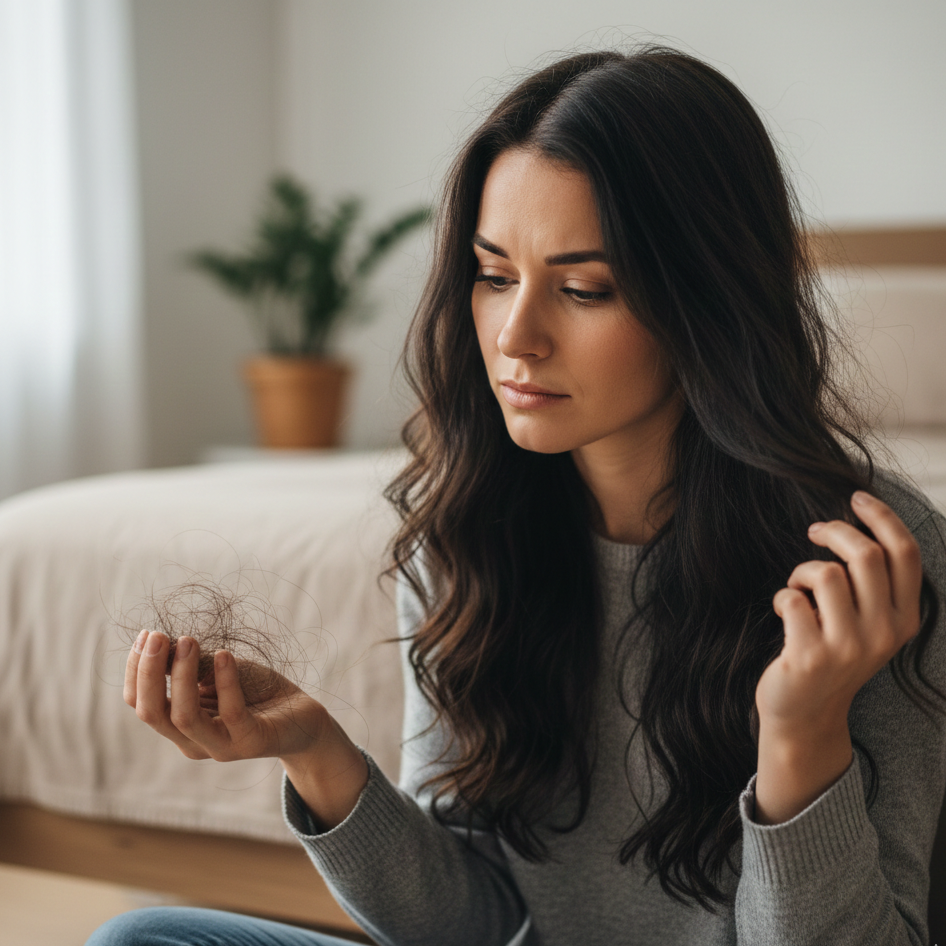
During periods of emotional or physical stress, the body releases high levels of cortisol that disturb the natural hair growth cycle. This hormone imbalance pushes hair follicles into the resting phase too early. As a result, stress-related hair fall and sudden hair shedding become more noticeable.
Continuous stress weakens the scalp environment, reducing blood circulation and nutrient supply to hair roots. This leads to thinning hair, slow regrowth, and fragile strands that break easily. Chronic stress hair loss often appears along the hairline and crown, making early care essential.
Natural Ways to Calm Stress for Better Skin and Hair
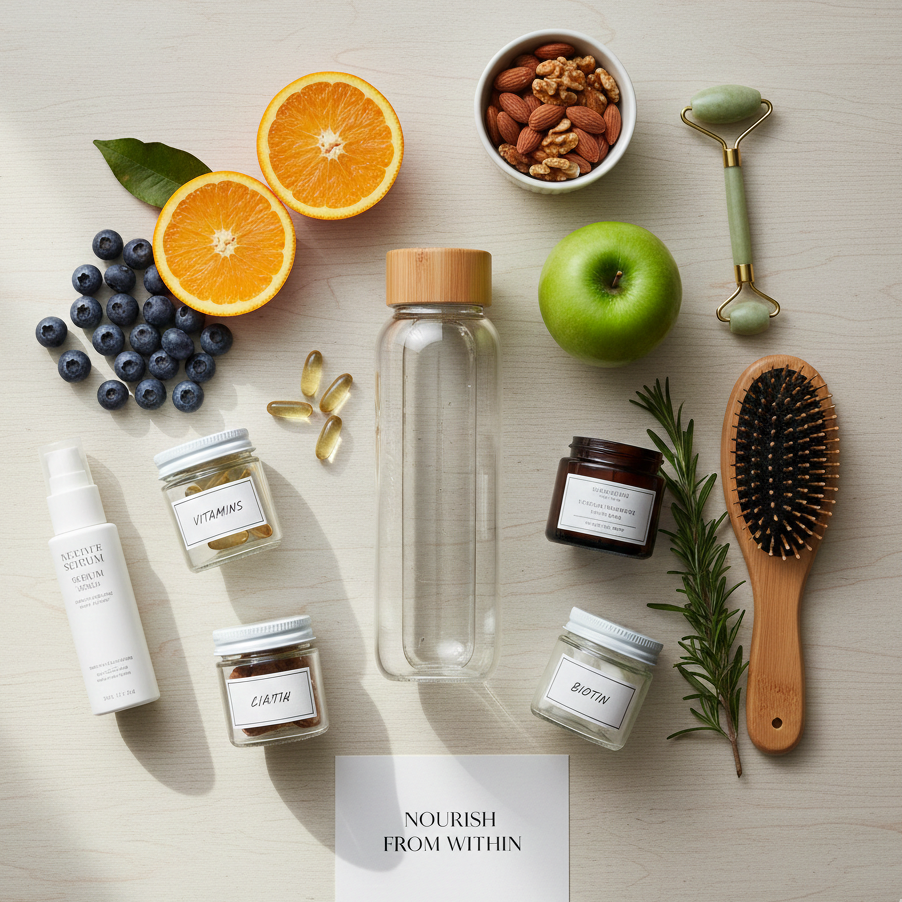
Your daily routines can have a significant impact on how well you manage stress, which in turn has an impact on the condition of your skin and hair. Cortisol levels can be considerably reduced using easy methods like deep breathing, little exercise, and mindfulness. It’s incredible how much feeling at ease promotes the normal cycles of hair growth and lessens skin inflammation.
A healthy diet and adequate sleep are also essential for reducing stress. Certain foods, particularly those high in antioxidants, vitamins, and omega-3 fatty acids, can help address stress-related skin problems and hair loss in addition to strengthening your skin barrier and hair follicles. Additionally, getting enough sleep allows your skin to heal itself and promotes circulation in your scalp, which results in stronger, healthier hair.
Nutrition and Hydration for Stress-Damaged Skin and Hair
Proper nutrition plays a key role in repairing stress-damaged skin and hair by supplying essential vitamins and minerals. Foods rich in omega-3 fatty acids, biotin, zinc, and antioxidants help reduce inflammation caused by stress hormones. These nutrients support skin barrier repair and strengthen weak hair roots over time.
Adequate hydration is equally important for restoring skin elasticity and scalp health affected by chronic stress. Drinking enough water helps flush out toxins and balance oil production, preventing dryness and dullness. Well-hydrated skin and hair respond better to nutrients and show visible improvement under stress management routines.
Gentle Skincare and Haircare During Stressful Periods
Sensitive skin often reacts faster during emotional or physical pressure, making gentle skincare essential. Stress weakens the skin barrier and increases inflammation, which leads to redness, dryness, and breakouts. Using soothing skincare products, free from harsh chemicals, helps calm stressed skin and restore balance.
Meanwhile, fragile hair strands become more prone to breakage when cortisol levels remain high. Stress-safe haircare supports scalp health by reducing irritation and improving moisture retention. Mild shampoos, nourishing conditioners, and scalp-friendly ingredients help protect hair strength during stressful periods.
Lifestyle Habits That Restore Skin Glow and Hair Strength
Balanced daily routines play a powerful role in improving skin glow and hair strength by lowering stress hormones. Regular sleep patterns help regulate cortisol levels, allowing the skin barrier to repair and hair follicles to grow stronger. Consistent rest also supports natural collagen production and reduces dull, tired-looking skin.
Gentle lifestyle choices such as proper hydration, light exercise, and mindful breathing improve blood circulation to the scalp and skin. These habits support stress-related hair loss recovery and enhance natural radiance. Over time, reduced inflammation helps maintain healthy skin texture and stronger hair roots.
Conclusion
Understanding stress and skin health explains acne, dryness, and sensitivity clearly. High cortisol levels damage the skin barrier and increase inflammation. Proper stress management helps restore balance and improve overall skin appearance.
Meanwhile, hair health is deeply affected by emotional and physical stress. Stress-related hair loss, thinning, and slow growth often result from hormonal imbalance. Better sleep, nutrition, and scalp care support stronger hair roots.
Overall, reducing daily stress benefits both skin and hair wellness. Gentle skincare, hydration, and regular movement calm the body. Consistent stress reduction improves skin repair, hair growth cycles, and long-term beauty and health.
FAQ
Q1. How does stress affect skin health?
Stress increases cortisol levels, which can cause excess oil production, acne breakouts, dryness, and sensitivity.
Q2. Can stress really cause hair fall?
Yes, high stress can disrupt the hair growth cycle and lead to temporary hair shedding known as telogen effluvium.
Q3. Which skin problems are linked to stress?
Stress may trigger acne, eczema flare-ups, rosacea, dull skin, and early signs of aging.
Q4. How long does it take for stress-related skin issues to improve?
With stress management and proper care, improvements can appear within a few weeks.
Q5. What foods help repair stress-damaged skin and hair?
Foods rich in omega-3s, antioxidants, vitamins, and protein support skin and hair recovery.
Q6. Can better sleep improve skin and hair affected by stress?
Yes, quality sleep helps balance hormones and supports skin repair and hair growth.





Leave a Reply