
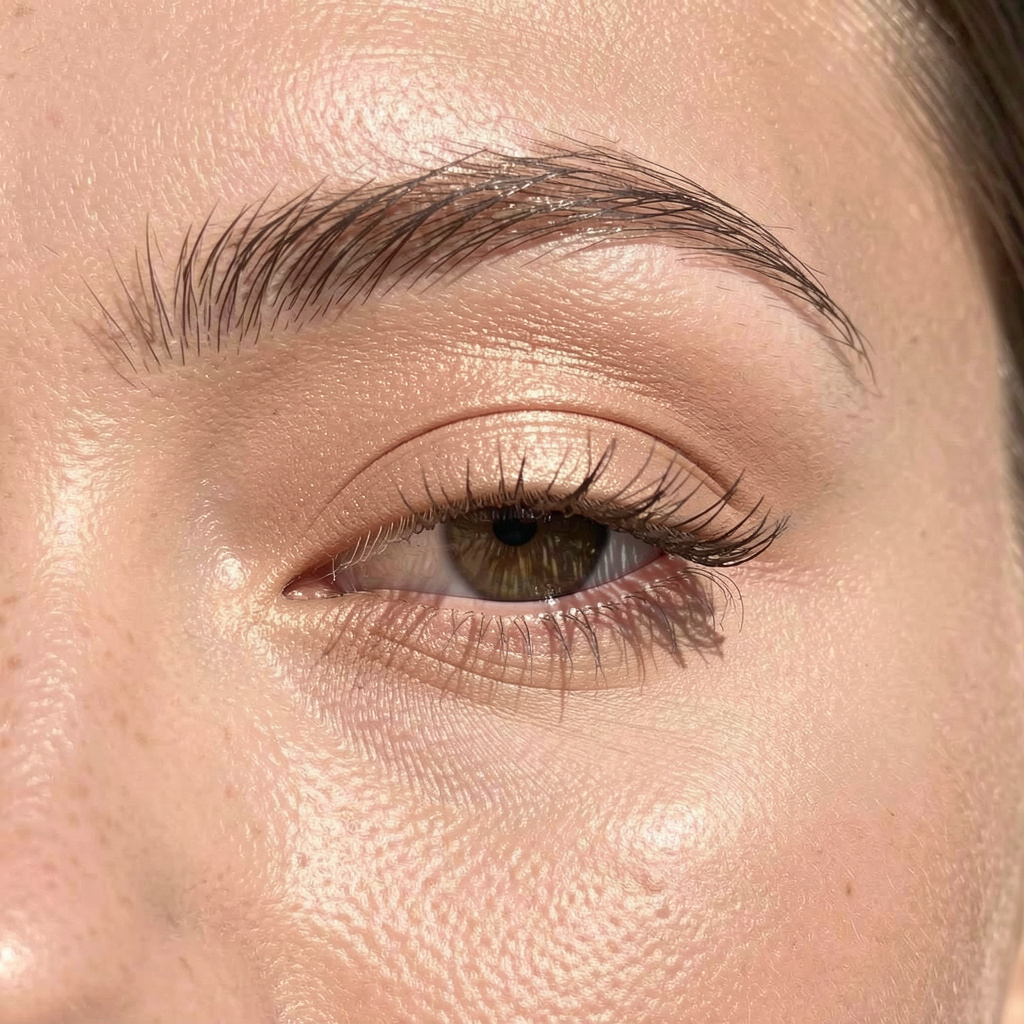
Natural daylight often reveals details that indoor lighting hides. Many people notice patchy eye makeup in natural light, uneven eyeshadow blending, or concealer creasing under the eyes. These issues usually happen due to poor eyelid preparation, wrong eyeshadow primer selection, or heavy product layering.
Often, the main reason behind uneven eye makeup texture is skipping a proper hydrating eye base routine and using incompatible formulas. Daylight and HD cameras highlight blending mistakes, dry patches, and excess powder instantly. Understanding the causes of crease-proof eye makeup failure helps achieve a smoother, long-lasting, and flawless finish.
Poor Eyelid Preparation and Skincare Mistakes
Proper eyelid prep routine plays a major role in preventing patchy eye makeup in natural light. Dry eyelids, leftover skincare residue, or excess oil can break down eyeshadow quickly. Smooth application starts with gentle exfoliation and lightweight eye area hydration.
Another common issue is applying eyeshadow directly on bare skin without an eye primer for long-lasting wear. Without a crease-proof eyeshadow base, pigment may cling to dry patches or settle into fine lines. Choosing the right hydrating eye base for dry skin or a mattifying primer for oily lids improves blending results.
Additionally, ignoring skin texture around the eyes makes uneven blending more visible in daylight. Natural light makeup tips often recommend prepping with thin layers and allowing products to absorb fully. Following a proper 2026 eyelid prep guide ensures smoother color payoff and seamless eye makeup application.
Using the Wrong Eyeshadow Primer for Your Skin Type
Many patchy eye makeup problems begin with an improper eyelid preparation routine. Dry or oily lids can cause uneven pigment and faded color in natural light. Without gentle exfoliation and a hydrating eye base, eyeshadow may cling to texture and create blotchy spots.
Another common reason is choosing the wrong eyeshadow primer for oily lids or dry skin. A matte primer on dry eyelids can cause flaking, while a creamy base on oily lids may lead to creasing. Selecting a crease-proof primer 2026 that matches skin type improves color payoff and long-lasting wear.
Additionally, layering incompatible formulas affects smooth blending and pigment intensity. Powder shadows over wet or unset primer often create patchy areas in daylight. Using thin layers, setting lightly, and applying a long-lasting eye base for natural light makeup ensures even coverage and a seamless finish.
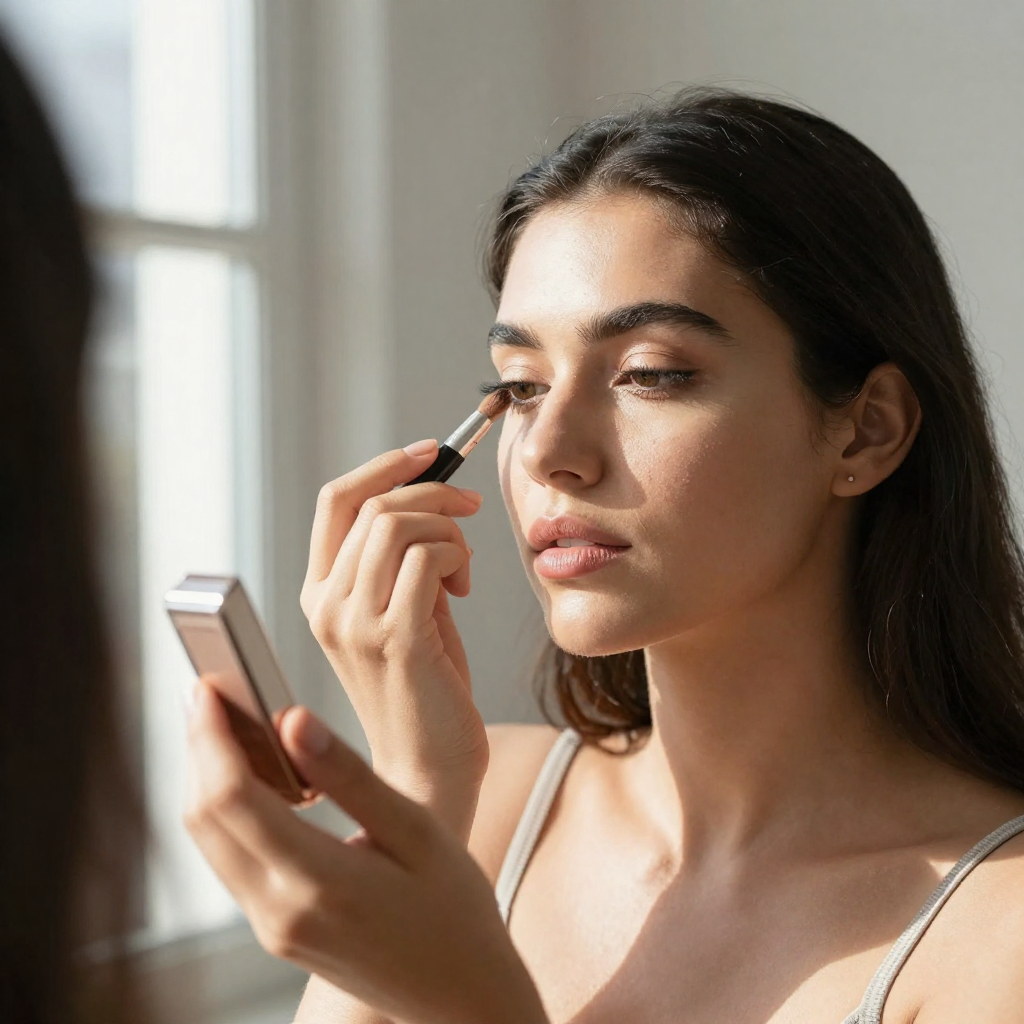
Low-Quality or Expired Eyeshadow Formulas
Many patchy eye makeup problems start with poor formula quality. Low-pigment or chalky powders often create uneven color payoff, especially in natural light makeup. Using expired eyeshadow can also cause fading, dryness, and poor blending on the eyelids.
Another common issue appears when old glitter or shimmer shades lose their smooth texture. These outdated products may crack, separate, or highlight skin texture under daylight. Choosing high-pigment eyeshadow formulas, fresh products, and safe makeup hygiene practices improves smooth application.
Additionally, cheap or poorly stored palettes can harden over time and reduce color intensity. Proper product storage and checking expiration dates help maintain long-lasting eyeshadow performance. Investing in quality formulas ensures seamless blending and a crease-free finish in the 2026 beauty trends.
Incorrect Blending Techniques and Over-Layering
Applying too much product at once can make eyeshadow look uneven and harsh. Patchy eyeshadow in natural light often appears when blending is rushed or done with the wrong brush. Using a soft, fluffy blending brush and building color gradually ensures a smooth, professional finish.
Harsh edges and streaks are usually caused by over-layering or ignoring seamless eyeshadow blending techniques 2026. Light layers allow pigments to sit evenly on the eyelid, preventing cakiness. Avoid pressing too hard, and always diffuse colors outward for a natural gradient.
Choosing the right brush is also key. Buildable eye makeup application tips include using tapered brushes for crease work and flat brushes for packing color. Proper technique reduces visible lines, improves pigment payoff, and keeps the look flawless in daylight.
Concealer Creasing Under the Eyes
Many makeup looks fail in natural light due to under-eye concealer creasing. Heavy or thick formulas settle into fine lines, making the eyes appear tired and uneven. Choosing a lightweight, hydrating concealer can prevent this and ensure smooth coverage throughout the day.
Blending techniques play a crucial role in crease-free makeup. Applying concealer in thin layers and setting it with a translucent setting powder for sensitive under-eyes helps maintain a flawless finish. Skipping this step often results in patchy, cakey areas under sunlight.
Environmental factors also affect under-eye makeup longevity. Dry skin or harsh indoor heating can cause separation, while humidity may make concealer move. Using cream-to-powder formulas and prepping with an eye primer for a smooth base ensures long-lasting, natural-looking results in 2026 trends.
Lighting Differences Indoor vs Natural Daylight
Indoor lighting can create a false sense of smooth, flawless eye makeup. Warm or artificial lights often hide texture, uneven blending, and patchy eyeshadow, making the look appear perfect indoors. Sunlight exposes every flaw, highlighting harsh edges and creases that go unnoticed under dim or warm light.
Natural daylight shows the true color payoff of eyeshadows and reveals mismatched tones or low-pigment formulas. Subtle mistakes in eyelid primer application or over-layered concealer become more visible outdoors. Checking makeup near a window or under daylight conditions 2026 ensures a seamless, camera-ready finish that lasts all day.
Adjusting products for daylight-ready eye makeup helps prevent patchiness and uneven texture. Lightweight layers, crease-proof formulas, and proper blending maintain a smooth finish. This approach ensures that eye makeup looks polished, vibrant, and flawless in natural sunlight and high-definition photos.
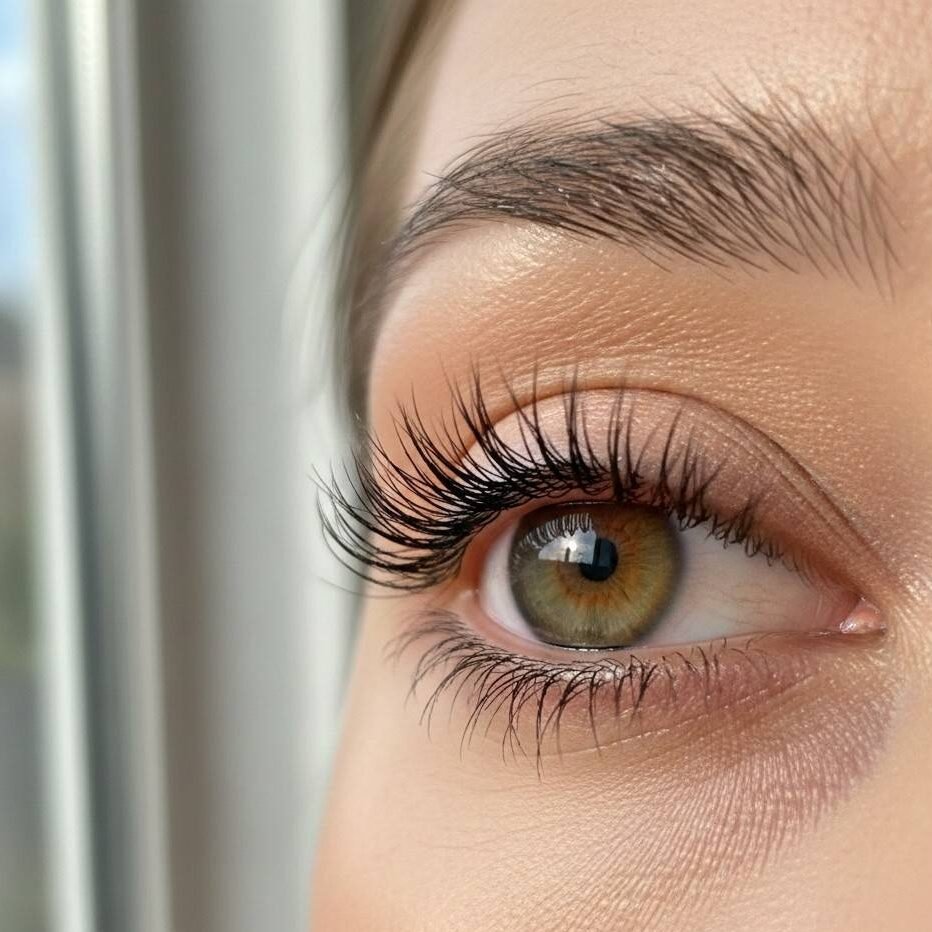
Environmental Factors and Skin Texture Issues
Humidity and temperature changes play a major role in patchy eye makeup in natural light, 2026. High humidity can cause eyeshadow and concealer to separate, while dry climates may make the eyelid skin flaky, highlighting uneven textures. Using moisturizing primers helps maintain smooth coverage throughout the day.
Skin texture, including fine lines, large pores, or dry patches, can also make eye makeup look uneven. Lightweight, blendable eyeshadow formulas and texture-correcting under-eye creams reduce clumping and make colors appear more seamless.
Additionally, frequent changes in indoor and outdoor environments require adjustments in daylight-friendly makeup application. Strategically layering products, choosing the right eye base for textured lids, and setting makeup with long-lasting setting sprays can prevent patchiness and ensure flawless wear in 2026 trends.
Conclusion
Proper eyelid prep and using crease-proof primers prevent patchy eyeshadow in 2026. Daylight exposes texture, so light layering and blending techniques are essential.
Choosing the right hydrating eye base and long-lasting eyeshadow formulas ensures smooth, even color. Adjusting for skin type and environment keeps makeup flawless all day.
FAQ
Q1: Why does my eye makeup look patchy in natural light?
Patchy eye makeup usually occurs due to poor eyelid preparation, incorrect primer, or heavy layering. Natural light highlights uneven blending, creasing, and dry patches.
Q2: How can I prevent eyeshadow from looking patchy?
Use a hydrating eye base, apply crease-proof primer, and layer eyeshadow lightly. Blending with the right brushes ensures smooth, seamless color in daylight.
Q3: Can skin type affect patchy eye makeup?
Yes. Oily eyelids may cause shadow to slip, while dry lids can make powder cling. Adjust primer and formulas according to your skin type.
Q4: How do I fix patchy eye makeup without starting over?
Blend with a soft brush, spritz a setting spray, or lightly apply hydrating concealer on dry areas.
Q5: Which eyeshadow formulas work best in 2026?
Long-lasting, pigmented, and crease-resistant eyeshadows provide smooth coverage and maintain vibrant color under natural light.





Leave a Reply