
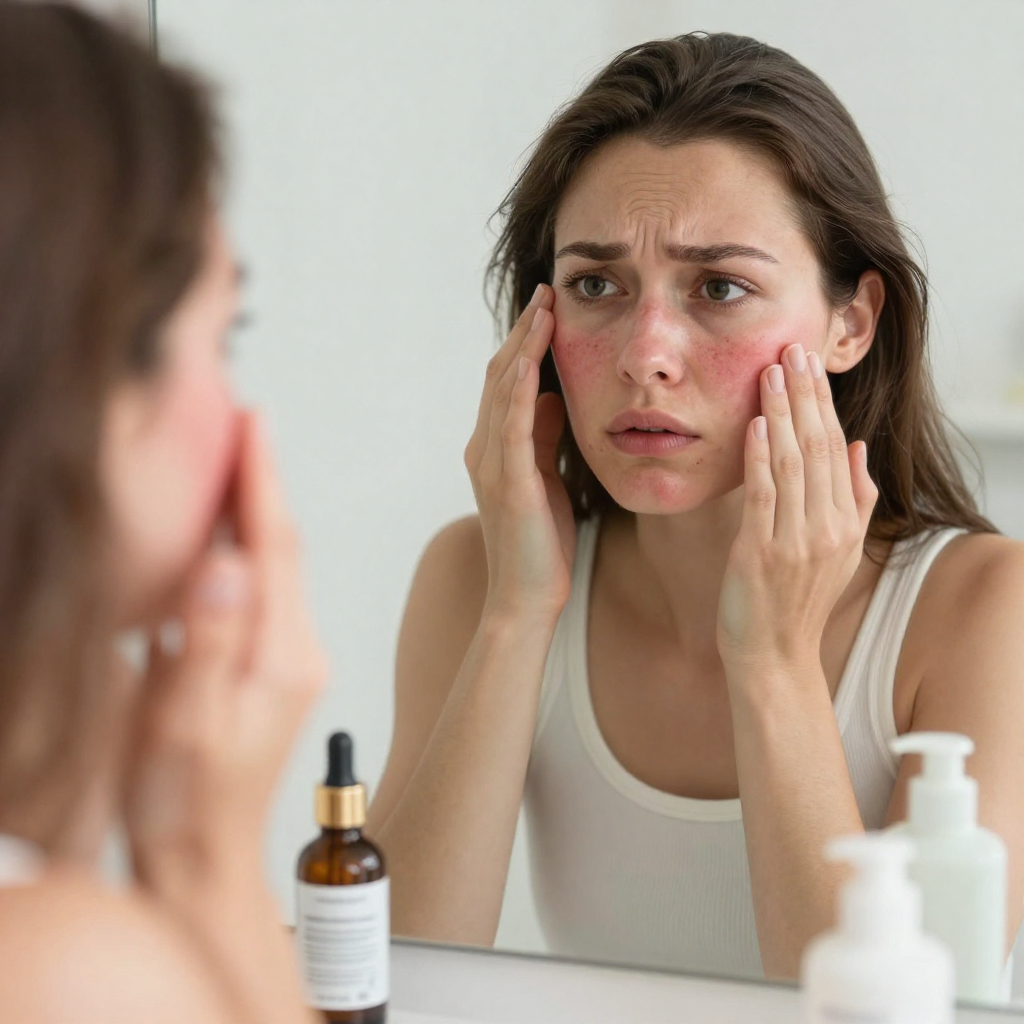
Recently, many people have noticed sudden breakouts, dryness, or dullness even after following the same products daily. The problem often links to a skincare routine not working 2026, changing weather, and hidden skin barrier damage symptoms. Understanding the real cause helps prevent random product switching and protects long-term skin health.
Surprisingly, factors like seasonal skincare changes, hormone imbalance acne triggers, over-exfoliation damage, and product buildup on skin can reduce visible results. Trending concerns in USA skincare trends 2026 show that ingredient overload and inconsistent sunscreen use are common mistakes. Identifying these issues early can restore glow and improve overall skin texture without adding unnecessary products.
Using Products That No Longer Match Your Skin Type in 2026
Over time, skin naturally changes due to weather shifts, hormones, and aging, which is why skin type changes over time is a top-searched concern in 2026. A routine made for oily skin may stop working if the skin becomes dehydrated or sensitive. Many people ignore seasonal skincare routine adjustments, leading to sudden breakouts, dryness, or dull texture.
Another common issue involves using the wrong skincare products for your skin type, especially trending formulas seen on social media. In 2026, viral actives and strong exfoliants are popular, but they may disrupt the skin barrier balance if not suitable. Key signs include increased irritation, tightness, or unexpected acne after product changes.
Product Overload and Skincare Ingredient Conflicts
Recently, many users layering viral serums have experienced irritation due to over-exfoliation damage and poor ingredient pairing. Mixing retinol with AHAs and vitamin C can weaken the skin barrier, especially in trending 2026 multi-step routines. Sudden breakouts, redness, and tightness often signal skincare ingredient conflicts rather than product failure.
Another common trigger includes excessive use of active ingredients promoted in TikTok skincare trends 2026 without understanding skin tolerance. Warning signs of damaged skin barrier symptoms include burning sensation, flaking, and increased sensitivity to sunlight. Simplifying routines and avoiding too many skincare products at once helps restore balance faster.
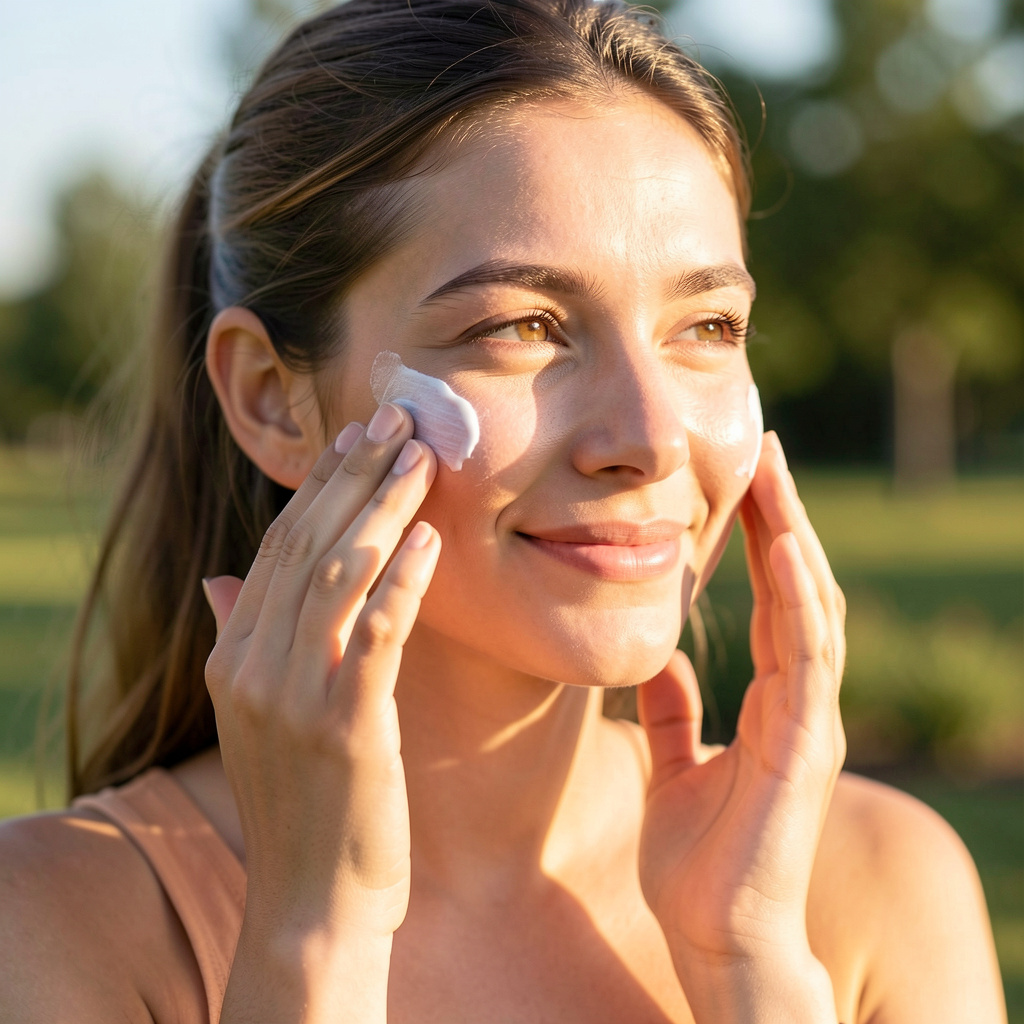
Skin Barrier Damage and Hidden Sensitivity Issues
Over time, unnoticed irritation can develop into serious skin barrier damage repair concerns, especially when harsh cleansers and strong exfoliants are used daily. Environmental stress, pollution exposure, and indoor air dryness in 2026 contribute to compromised skin barrier problems. When skin feels rough or inflamed, the protective layer may already be weakened.
Instead of adding new treatments, focus should shift toward barrier-repair skincare ingredients like ceramides, niacinamide, and panthenol. Dermatology research highlights that how to fix damaged skin barrier fast involves hydration, gentle cleansing, and daily SPF use. Strengthening the barrier restores glow and improves overall product effectiveness naturally.
Hormonal Changes and Internal Factors
Sudden breakouts in 2026 are often linked to hormonal acne causes in adults, especially during stress, menstrual cycles, or lifestyle changes. Increased cortisol levels weaken the skin barrier and trigger excess oil production, leading to clogged pores and inflammation. Many dermatologists now connect stress and skin with unpredictable flare-ups.
Meanwhile, internal imbalances such as poor sleep, processed food intake, and gut issues can slow visible results. Research around diet affecting skin health and gut-skin axis imbalance in 2026 shows that inflammation inside the body reflects on the face. Addressing hydration, balanced nutrition, and stress management often restores skincare performance.
Skipping Sunscreen and Environmental Damage in 2026
Daily exposure to UV rays and pollution quietly reduces product effectiveness over time. Without consistent SPF, daily sunscreen becomes clear as dark spots, dullness, and premature aging increase. Dermatology reports highlight that UV damage signs on the skin may appear even when using high-quality serums.
Additionally, modern lifestyles include constant device use and city pollution exposure. Experts warn that blue light skin damage in 2026 and pollution and skin aging effects weaken the skin barrier and reduce glow. Adding broad-spectrum SPF and antioxidant protection helps restore results and protects long-term skin health.
Inconsistent Routine and Unrealistic Expectations in 2026
Often, results fade because of skincare inconsistency 2026 and frequent product switching without giving formulas enough time to work. Skin renewal takes weeks, and expecting overnight changes leads to frustration and overuse of actives. Experts recommend following a realistic skincare timeline for results before adding new serums or treatments.
Meanwhile, many people change products too quickly after seeing trends on social media, which disrupts the skin barrier recovery process. Common mistakes include:
- mixing trending activities without guidance
- stopping products before the 4–6 week cycle
Building a stable beginner-friendly skincare routine in 2026 helps maintain long-term balance.
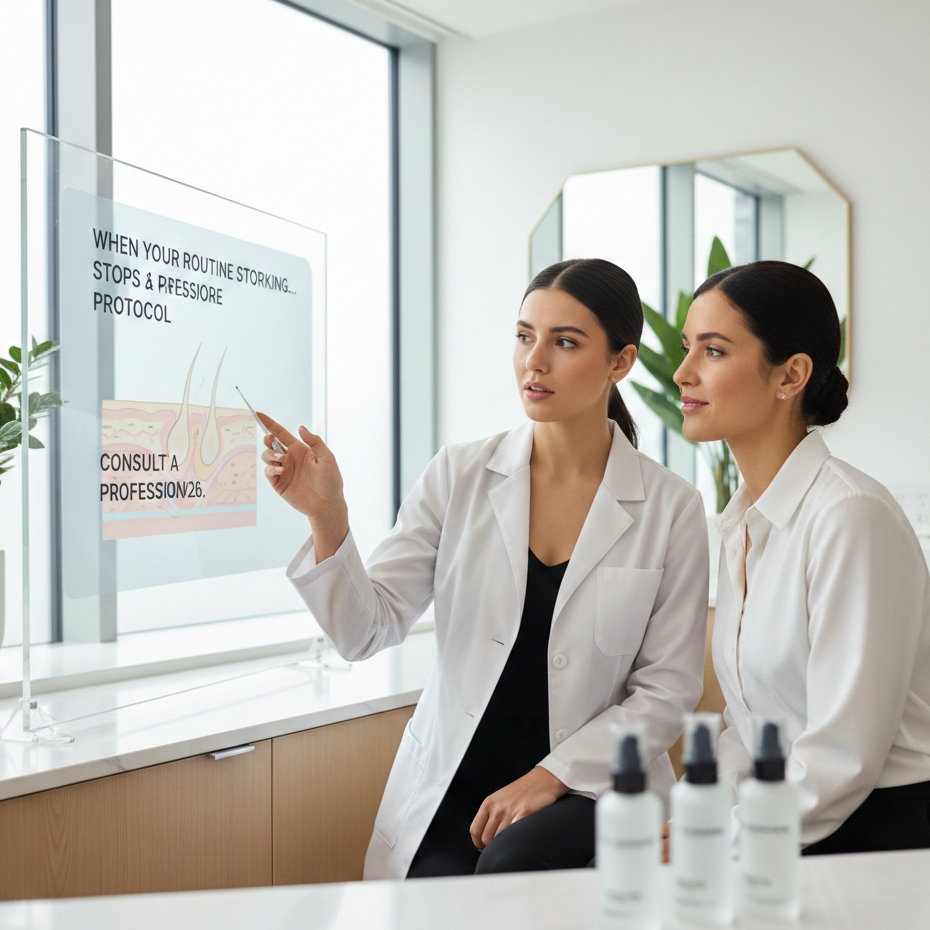
When to Consult a Dermatologist
Sometimes, ongoing breakouts or irritation signal deeper concerns beyond routine mistakes. Conditions like adult hormonal acne 2026, rosacea, or chronic sensitivity require professional evaluation. Ignoring persistent symptoms can worsen inflammation and delay proper treatment.
Professional advice becomes important when over-the-counter products fail to improve stubborn acne treatment results or recurring skin rashes. A licensed expert may suggest prescription creams, targeted treatments, or lifestyle adjustments. Seeking timely help ensures safer solutions for long-term clear skin goals in 2026.
Conclusion
When a skincare routine suddenly stops working, the issue is usually not random. Changes in skin type, environmental exposure, hormone shifts, or product misuse can disrupt results. Instead of constantly replacing products, it is important to evaluate skin needs carefully and simplify the routine if necessary.
Consistency, barrier protection, sunscreen use, and ingredient awareness are key to long-term success. If concerns persist, professional guidance can provide clarity. Healthy skin requires adjustment over time, and understanding the reasons behind skincare changes helps maintain lasting results.
FAQs
Q1: Why did my skincare routine suddenly stop working?
Skin changes due to weather, hormones, stress, or product buildup. In 2026, experts highlight skin barrier damage, seasonal skin changes, and ingredient conflicts as common reasons.
Q2: Can over-exfoliation ruin results?
Yes. Using too many active ingredients can weaken the skin barrier, causing irritation, breakouts, and sensitivity.
Q3: How long should skincare products take to show results?
Most treatments need 4–8 weeks. Following skincare consistency tips in 2026 helps track real progress.
Q4: Does stress affect skin performance?
Absolutely. The stress and skin connection can trigger hormonal acne and dullness.
Q5: Is sunscreen necessary even indoors?
Yes. Daily SPF protects against UV damage and blue light exposure, which slows visible improvement.





Leave a Reply