
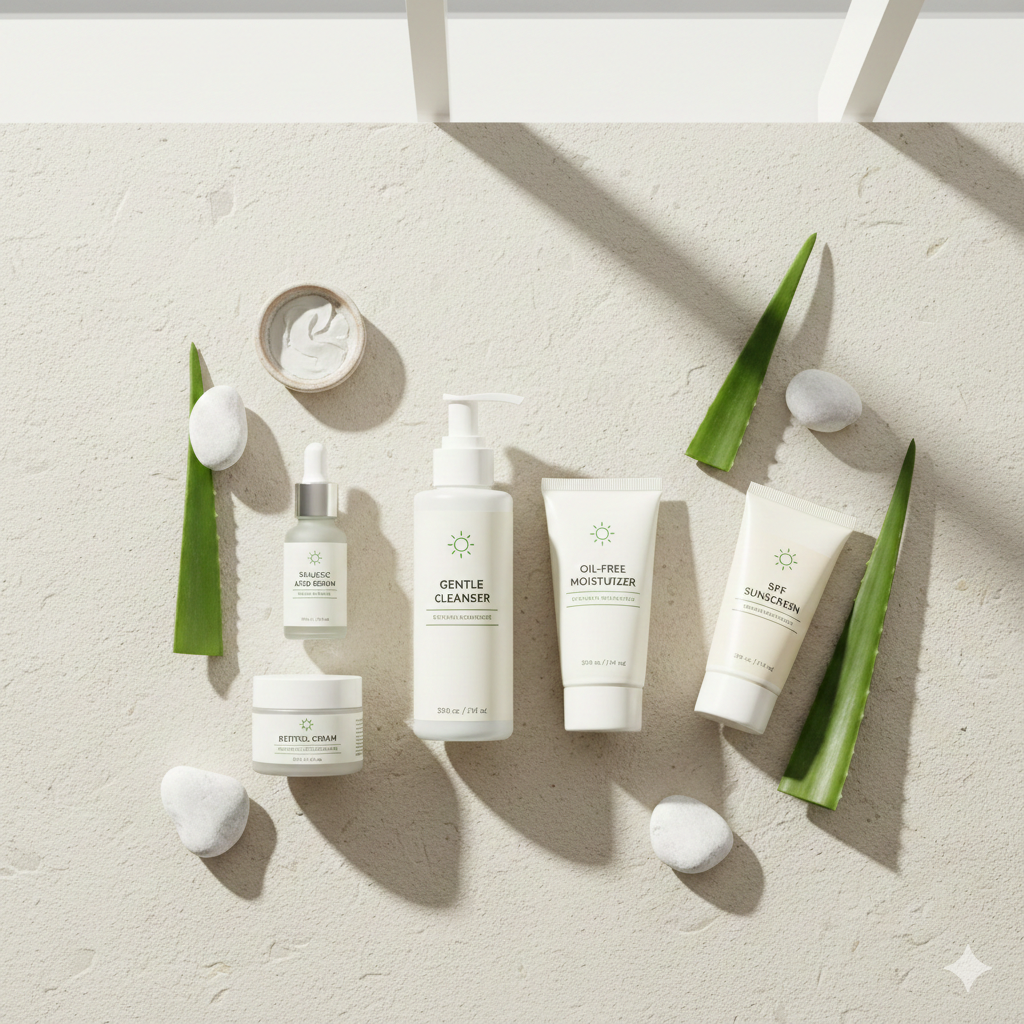
Acne-prone skin needs a proper routine that controls breakouts without damaging the skin barrier. A well-planned skincare routine for acne-prone skin helps reduce pimples, excess oil, clogged pores, and acne scars. Choosing the right non-comedogenic products and active ingredients is very important for clear skin.
Many people struggle with oily skin, hormonal acne, and stubborn blackheads because they use the wrong products. Using ingredients like salicylic acid for acne, niacinamide for oil control, and retinol for acne scars can improve skin texture. This 2026 updated guide explains simple morning and night steps for healthy, balanced skin.
Understanding Acne-Prone Skin
Acne-prone skin develops when clogged pores, excess sebum, and bacteria cause repeated breakouts and inflammation. Hormonal imbalance, stress, and harsh skincare products can trigger hormonal acne and stubborn pimples. In 2026, experts focus on repairing the skin barrier function to control oily skin naturally.
Unlike sensitive skin, acne-prone skin shows frequent whiteheads, blackheads, and cystic acne due to overactive oil glands. Poor product choices with pore-clogging ingredients increase acne flare-ups on oily skin. Understanding these root causes helps build a safe and effective skincare routine for acne-prone skin.
Morning Skincare Routine for Acne-Prone Skin
A proper morning routine starts with a gentle foaming cleanser for oily skin that removes excess oil without drying the face. After cleansing, apply a lightweight serum with niacinamide for oil control or salicylic acid for acne prevention. Finish with an oil-free moisturizer to maintain hydration balance.
Daily sun protection is essential because UV exposure can worsen post-acne marks and hyperpigmentation. Choose a non-comedogenic sunscreen for acne-prone skin with SPF 30 or higher for breakout-safe protection. For better results, follow this simple order:
• Cleanser
• Treatment serum
• Lightweight moisturizer
• Matte finish sunscreen
Night Skincare Routine for Acne-Prone Skin and Acne Scar Repair
At night, the skin repairs itself, so a proper night skincare routine for acne-prone skin is very important. Start with a gentle sulfate-free cleanser for oily skin, then apply a salicylic acid serum for clogged pores or benzoyl peroxide spot treatment for active pimples. Finish with a lightweight, oil-free moisturizer to support the skin barrier and reduce irritation.
Unlike daytime care, nighttime is best for using stronger treatments like retinol for acne scars and adapalene gel for hormonal acne. These ingredients help with post-acne marks, uneven skin texture, and breakouts control when used consistently in 2026 routines. Avoid mixing too many active ingredients to prevent redness and dryness.
Best Active Ingredients for Acne-Prone Skin in 2026
Choosing the right ingredients makes a big difference in any acne treatment routine at home. Dermatologists often recommend salicylic acid for deep pore cleansing, niacinamide for oil control and redness, and benzoyl peroxide for bacterial acne treatment. These low-competition yet effective solutions are trending in 2026 skincare searches.
Additionally, modern formulas now include barrier-friendly options like ceramides for acne-prone skin and azelaic acid for dark spots and inflammation. For stubborn cases, retinoids for acne and acne scars prevention improve skin renewal over time. Selecting non-comedogenic skincare products ensures pores stay clear without causing new breakouts.
How to Choose the Right Moisturizer and Sunscreen for Oily and Acne-Prone Skin?
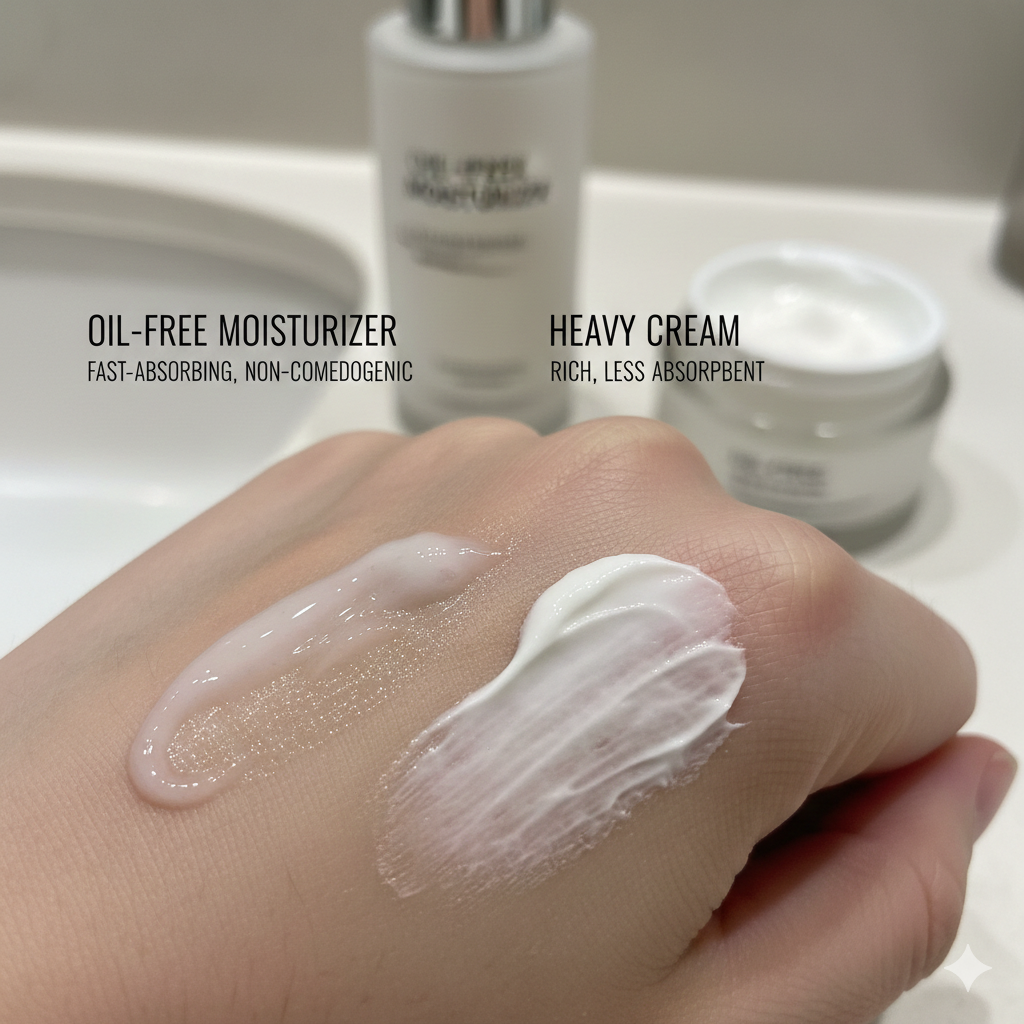
Selecting the right oil-free moisturizer for acne-prone skin is important to balance hydration without clogging pores. A lightweight, non-comedogenic gel moisturizer with niacinamide for oil control helps reduce shine and supports the skin barrier. In 2026, dermatologists recommend fragrance-free moisturizers for sensitive acne skin to prevent irritation.
Meanwhile, daily sun protection is necessary to avoid dark spots and acne scars. A lightweight sunscreen for oily skin, SPF 50, especially an acne-safe mineral sunscreen, protects without causing breakouts. Look for these features:
- Matte finish sunscreen for oily skin
- Broad-spectrum SPF for acne scars
- Non-greasy sunscreen for humid weather 2026
Common Skincare Mistakes That Make Acne Worse in 2026
Overusing strong products can damage the skin barrier and increase breakouts. Harsh scrubs, frequent exfoliation, and mixing benzoyl peroxide with retinol without guidance may cause redness and dryness. Many people ignore patch testing before trying viral acne skincare products in 2026, which leads to irritation.
Another common mistake is skipping moisturizer because of oily skin. Avoid these habits:
- Using alcohol-based toner for acne
- Sleeping with makeup on
- Choosing products without checking the pore-clogging ingredients list
Lifestyle Habits That Help Prevent Acne Naturally
Healthy daily habits can improve acne from the inside. Research shows a connection between a high-glycemic diet and acne breakouts, while proper hydration supports clear skin. Managing stress reduces hormonal acne flare-ups, especially in teenagers and young adults.
Additionally, simple hygiene practices protect acne-prone skin from bacteria. Changing pillowcases regularly and cleaning makeup brushes help prevent clogged pores. Consistent sleep and balanced nutrition remain key for natural acne prevention tips 2026 and long-term skin health.

Conclusion
Following the best skincare routine for acne-prone skin requires consistency and the right product selection. Gentle cleansing, targeted acne treatments, lightweight moisturizers, and daily SPF for acne-prone skin protect and heal the skin. Avoiding harsh products and choosing dermatologist-recommended acne ingredients helps prevent future breakouts.
Clear skin is possible when skincare steps are layered correctly, and lifestyle habits support skin health. A routine that includes oil-free moisturizers, pore-clearing exfoliants, and stress management can reduce acne over time. With patience and the correct approach, acne-prone skin can look smooth, balanced, and healthy in 2026.
FAQ
1. What is the best skincare routine for acne-prone skin?
The best skincare routine for acne-prone skin includes a gentle cleanser, a lightweight moisturizer, a targeted acne treatment, and daily SPF. Using non-comedogenic products and ingredients like salicylic acid for clogged pores helps reduce breakouts.
2. How often should acne-prone skin be exfoliated?
Exfoliating 2–3 times a week with a mild BHA exfoliant for oily skin is enough. Over-exfoliation can damage the skin barrier and increase redness.
3. Can oily skin skip moisturizer?
No, oily skin still needs hydration. Choose an oil-free gel moisturizer for acne-prone skin to control shine without clogging pores.
4. Which ingredients are best for treating pimples?
Dermatologists recommend benzoyl peroxide for active acne, retinol for acne scars, and niacinamide for oil control and redness.
5. When should someone see a dermatologist?
If acne is painful, severe, or leaves deep scars, professional treatment is recommended for safe and effective results.





Leave a Reply