
Begum Sughra Kazmi
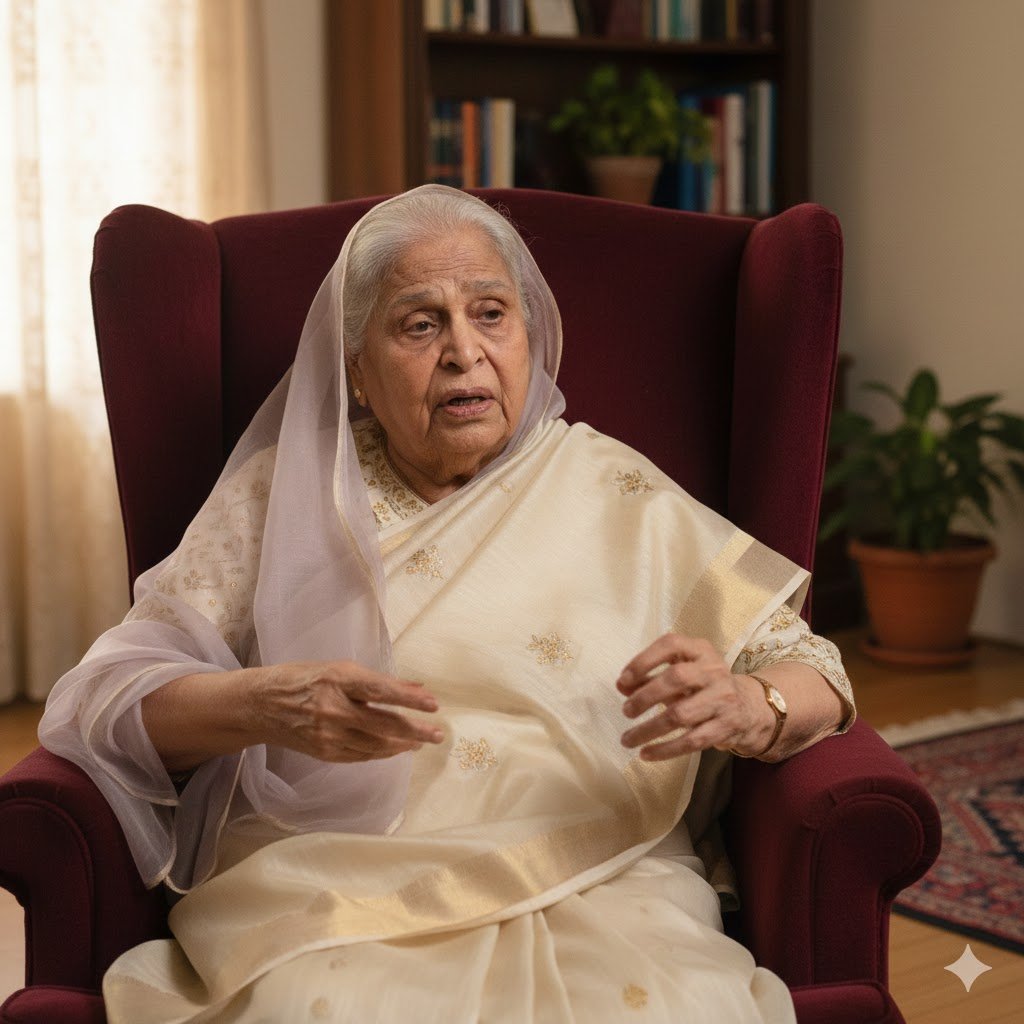
Mrs. Sughra Kazmi was born in 1932 in Hyderabad Deccan. Begum Sughra Kazmi founded the fashion house in Karachi, Pakistan, and it is regarded as the country’s first couture label in the 1950s.
Historians and fashion experts regard Begum Sughra Kazmi as the cornerstone of couture and artistic fashion in Pakistan’s rich and dynamic fashion industry. As Pakistan’s original bridal revivalist, she became one of the first figures to earn recognition and acclaim as a couturier.
Her vision, creativity, and passion for craftsmanship gave birth to what we now recognize as Pakistani designer fashion. Her designs, which ranged from everyday cottons to formal dress and bridal attire, were transferred from doll-sized clothing to outfits for women.
Sughra Kazmi was Pakistan’s first real fashion designer and couturier. Decades before the nation had fashion weeks, modelling ramps, or designer labels, she brought the ideas of couture, handcrafted luxury, and bridal craftsmanship.
Her efforts established the groundwork for the current state of the Pakistani fashion industry.
Historical Importance
Several historians and fashion professionals regard Begum Sughra Kazmi as a trailblazer in Pakistan’s fashion business. This created the foundation for a more structured fashion sector in the nation.
Sughra Kazmi laid the groundwork for Pakistan’s fashion sector by transforming traditional tailoring into innovative fashion design. Most historians and fashion experts regard her as the “first couturier” and a foundational figure of Pakistani fashion.
She established one of the first design firms in Pakistan. Moreover, she laid the groundwork for upcoming fashion designers such as HSY, Faiza Samee, Sana Safinaz, and Nilofar Shahid.
Early Life & Fashion Entry
When Sughra Kazmi first entered the fashion industry, it was uncommon for women to pursue creative careers in public. In the early years of Pakistan following independence, clothing was mostly linked with local tailors, family seamstresses, and traditional craftsmen. There was no runway culture, no branding, and no organized fashion industry.
Creating doll outfits was a very modest way for her to start her creative adventure. Her experiments with stitching, color, fabric, and embellishment were aided by her tiny creations.
Her skill developed to the point where she went from creating tiny designs to creating large-scale bridal gowns. She founded one of Pakistan’s first couture ateliers, the House of Kazmi, as orders grew. Designer clothes began to emerge in the nation at this time.
The Birth of Pakistani Fashion
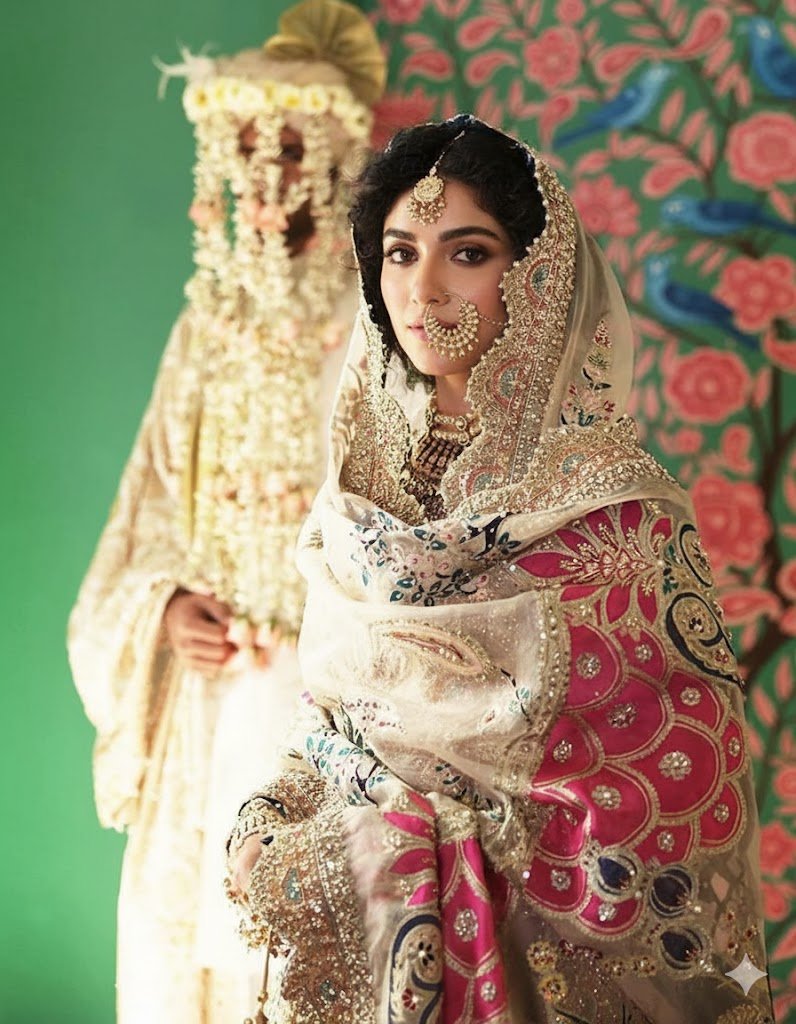
Before the arrival of Sughra Kazmi, Pakistani bridal attire adhered to relatively few customs. Although artisans practiced embroidery, they did not consider it a high-end craft; Sughra Kazmi completely transformed this perception.
She introduced:
- Personalized bridal gowns
- Handcrafted luxury finishing
- Eastern royal silhouettes
- Museum-caliber needlework techniques
For the first time, bridal gowns were regarded as heirloom pieces made not only for weddings but also as artistic creations that symbolized cultural pride and family heritage.
Awards and Accomplishments
The Lux Style Awards honored her with the Lifetime Achievement Award in Fashion at their 7th ceremony. This ceremony took place on 29 Oct, 2008, at the Expo Center in Karachi.
Beyond official honors, her greatest recognition lies in:
- Academic fashion research
- Industry acknowledgment
- The respect of every leading Pakistani designer
Legacy and Impact of Sughra Kazmi
As the country’s first wedding revivalist and one of its first recognised couturiers, Sughra Kazmi occupies a groundbreaking and significant place in Pakistani fashion history.
She demonstrated how Pakistani design could maintain its unique heritage while shining proudly on the international scene. She started the fashion company that Bunto Kazmi, her daughter-in-law, eventually inherited and grew.
Decades ago, Sughra Kazmi earned high acclaim in the industry, building the solid reputation and foundation of the esteemed “Bunto Kazmi” brand.
Sughra Kazmi had a significant impact on the careers of Pakistan’s most well-known designers in addition to her own brand. The designers are Nilofar Shahid, Faiza Samee, Sana Safinaz, and HSY, all evolved in an industry whose foundation she built.
Signature Design & Craftsmanship
Sughra Kazmi’s unique style was distinguished by monarchy, heritage, and hand-crafted perfection. She felt that fashion should never be hurried and that each piece of clothing should be carefully designed with layers of meaning and detail.
Sughra Kazmi typically worked with deep maroon, rich gold, emerald green, royal blue, and delicate ivory in her works. Designers did not choose these colors arbitrarily; each shade carries cultural and emotional significance.
Embroidery Techniques She Mastered
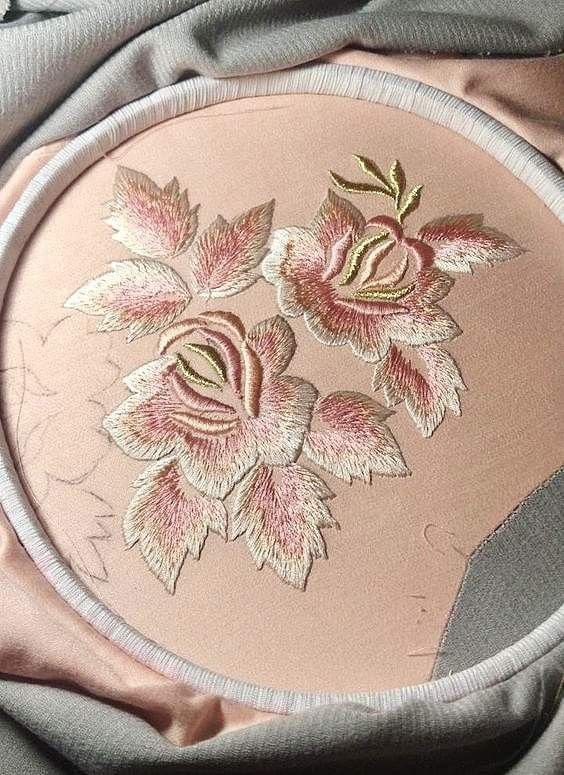
Her most used techniques included:
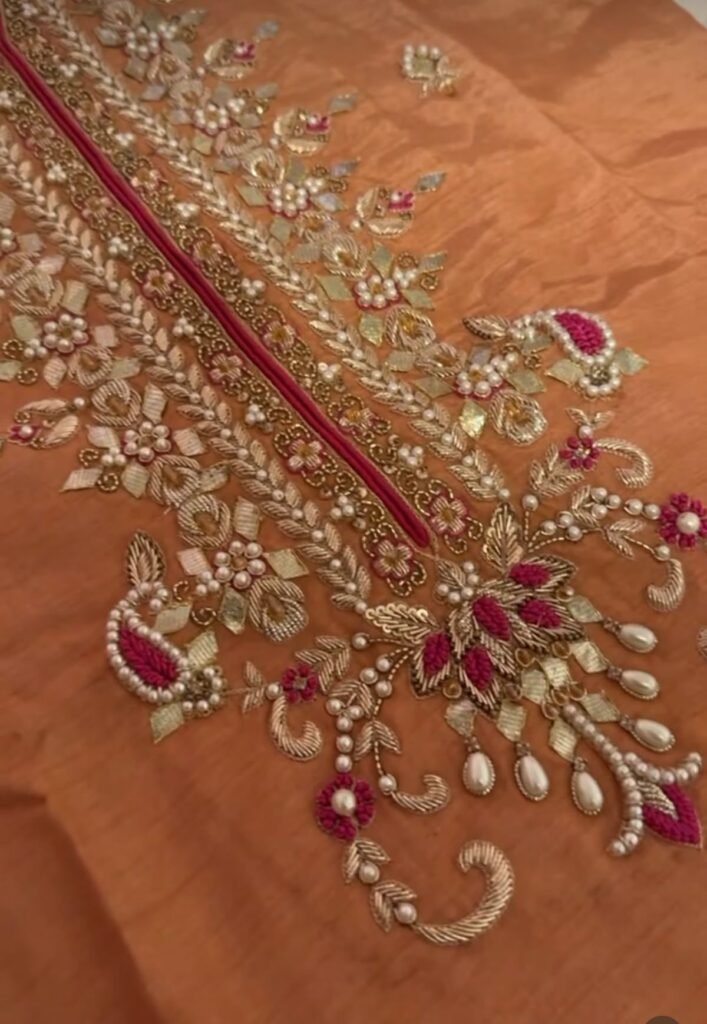
- Zardozi (metallic embroidery)
- Resham (silk thread work)
- Dabka and Kora
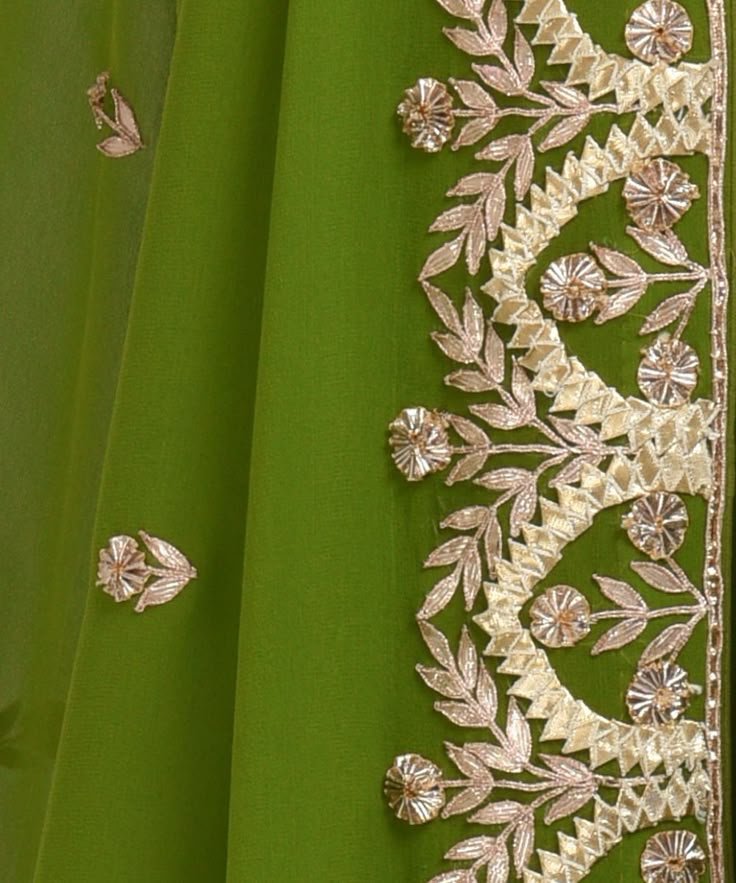
- Gota work
- Bead and kundan embellishments
Her bridal designs became known for:
- Heavy embellished borders
- Mughal-inspired motifs
- Flowing lehengas and ghararas
- Regal dupatta styling
She did not follow Western fashion trends
Highlight Initiatives & Achievements
Being acknowledged as the first couturier in Pakistani fashion history was one of Sughra Kazmi’s biggest achievements. She was among the initial designers to present couture collections at organized exhibitions and early fashion events in Pakistan during the 1980s and 1990s.
Begum Sughra Kazmi was instrumental in establishing Pakistan’s fashion identity. Over the course of her career, she accomplished a number of significant milestones that had a long-lasting impact on the nation’s couture and craftsmanship.
Her major milestones include:
- Establishing one of Pakistan’s first fashion houses
- Introducing bespoke bridal couture as a luxury service
- Training craftspeople and new designers in expert couture techniques
- Transforming traditional wedding clothes into vintage couture
Transition of Legacy to Bunto Kazmi
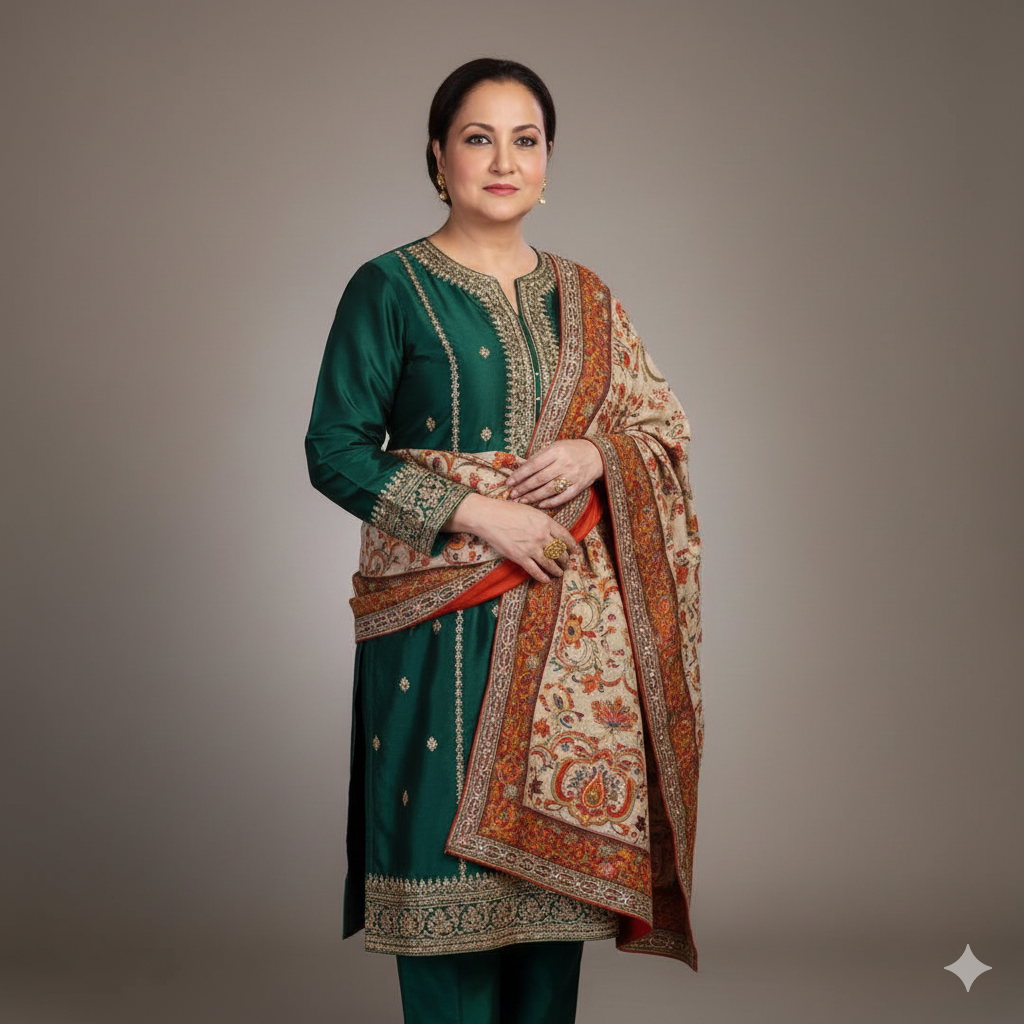
Bunto Kazmi, Sughra Kazmi’s daughter-in-law, assumed full responsibility for the House of Kazmi as she gradually withdrew from active design. This change guaranteed the uninterrupted continuation of the great legacy of craftsmanship, heritage, and couture perfection.
Bunto Kazmi is currently one of Pakistan’s most internationally recognized bridal couture designers, noted for her Mughal-inspired shapes and royal bridal aesthetics.
She has successfully modernized the idea of Sughra Kazmi while keeping its traditional character. Under her supervision, the business has shown collections at major fashion weeks, international exhibitions, and premium bridal platforms, making the House of Kazmi a global emblem of Pakistani luxury couture.
Why She Is Important Today
Begum Sughra Kazmi is an enduring personality in Pakistani fashion since her vision still serves as an inspiration to designers, artists, and fashion aficionados decades later.
She is the epitome of Pakistani fashion, where history, beauty, and workmanship come together to produce classic items. The legacy of Sughra Kazmi is equally significant socially.
Conclusion
Today, Fashion in Pakistan permeates our lives like a well-oiled machine, fueled by a prolific industry and sustained by active consumers. An overactive media makes sure fashion is always in the picture.
Designers unveil new collections every six months and launch vibrant campaigns alongside them. These launches generate well over seven-digit figures in business and lead to major deals. I have the utmost admiration for Sughra Kazmi since she is a truly wonderful and compassionate person.
She is an inspiration to us girls because she demonstrated that women can succeed in any industry with enthusiasm, diligence, and commitment. Her story inspires us to have confidence in ourselves and to pursue our goals fearlessly.


Leave a Reply