

Dealing with oily skin can be frustrating, especially when the shine keeps coming back. I often struggled with excess sebum, a shiny T-zone, and clogged pores. Over-drying my skin only made it worse, so I had to find a better approach.
I learned that controlling oil doesn’t mean stripping away moisture. Using gentle cleansers, lightweight moisturizers, and targeted treatments keeps my skin balanced. Even small changes in diet, hydration, and lifestyle habits make a big difference.
With the right routine, oily skin can stay fresh and healthy all day. Following skincare tips for oily and acne-prone skin helps me avoid breakouts and maintain a smooth complexion. It’s all about balance, consistency, and using the right products. Do you feel like your face gets oily again just a few hours after washing?
What Causes Excess Oil on the Face?
If your face starts looking shiny just a few hours after washing, it usually means your skin is producing too much oil. Hormonal changes, stress, and humidity are common triggers for oily skin.
You may notice more breakouts, blackheads, or large pores when oil builds up on your skin. Recognizing early symptoms of oily skin helps in adopting the right skincare routine.
Some individuals have naturally oily skin, while others develop it due to lifestyle habits or skincare mistakes. Identifying the root causes ensures proper treatment and prevention.
Best Cleansers for Oily Skin Without Drying Skin
Gentle foaming cleansers help remove excess oil without stripping the skin’s natural moisture barrier. Avoid harsh soaps that can trigger overproduction of sebum.
A good cleanser can make a big difference. Sulfate-free options help control shine without making your skin feel tight or dry. Look for ingredients like salicylic acid or tea tree for acne-prone oily skin.
Cleansing twice daily is enough for oily skin, as over-washing can worsen the condition. Combining morning and evening routines with proper hydration maintains a healthy, matte look.
Best Toners to Control Excess Oil
Natural toners can help reduce excess sebum while keeping skin hydrated. Ingredients like witch hazel, niacinamide, and salicylic acid are effective for calming shine. Avoid alcohol-based toners, as they can strip moisture and worsen oil production.
Targeted treatments such as lightweight serums or gels absorb quickly and minimize breakouts. Applying them after cleansing ensures pores stay clear without over-drying the skin. Using oil-balancing skincare products twice daily helps maintain a fresh, matte look.
Moisturizers for Oily Skin
Choosing the right moisturizer is essential for oily and acne-prone skin. Gel-based or water-based formulas provide light hydration without clogging pores. Heavy creams can feel greasy and trigger more sebum production, making shine worse.
non-comedogenic moisturizers with hyaluronic acid or aloe vera hydrate while soothing the skin. Applying a thin layer after toning and treatment keeps the skin balanced and protected. Consistent use prevents dryness and reduces the chance of overcompensation for oiliness.

Diet and Lifestyle Tips for Healthy Skin
Nutrition plays a key role in controlling oily skin. Eating low-glycemic foods, fresh vegetables, and fruits can help reduce excess sebum production naturally. Hydration also keeps skin balanced and prevents overcompensation of oil.
Lifestyle habits greatly affect skin health. Stress management, adequate sleep, and avoiding high-sugar or fried foods support a shine-free complexion. Regular exercise boosts circulation and keeps pores clear.
Small changes make a big difference. Drinking enough water, limiting caffeine, and following a consistent routine strengthen skin resilience. Combining these diet and lifestyle tips for oily skin ensures long-term results.
DIY and Home Remedies to Reduce Shine
Clay masks are a simple but powerful solution for oily skin. Using bentonite or kaolin clay once a week can help absorb extra oil without making your skin feel dry. These masks also minimize the appearance of enlarged pores.
Other home remedies, like aloe vera gel, green tea toner, or cucumber slices, soothe skin while controlling oil. Avoid harsh scrubs or over-washing, as they trigger more sebum production.
Consistency is essential. Using DIY treatments along with a gentle skincare routine enhances the effect. Combining natural remedies with non-comedogenic products keeps skin balanced and smooth.
Best Sunscreen for Oily Skin
Sun exposure can worsen oily skin and trigger excess sebum production. Choosing a matte-finish sunscreen ensures protection without adding shine. Lightweight, non-comedogenic formulas prevent clogged pores while keeping skin safe.
Daily use of SPF shields skin from UV damage and reduces acne flare-ups. Gel-based or water-based sunscreens are ideal for oily and combination skin. When you apply sunscreen every morning, it helps keep your skin protected and balanced. Are you using products that dry your skin too much?
Skincare Routine for Oily Skin Control
A consistent routine is key to controlling oiliness without dryness. Start with gentle cleansing, followed by a hydrating toner or serum to regulate sebum. Moisturizers should be lightweight and non-comedogenic to prevent shine.
Weekly treatments like clay masks or chemical exfoliants improve skin texture and minimize pore size. Combining proper cleansing, hydration, and targeted acne treatments keeps skin healthy in 2026. Maintaining this routine ensures matte, smooth, and balanced skin all day.
Are You Making These Common Oily Skin Mistakes?
Many people try to get rid of oil completely, but that’s where the problem starts. You might be using harsh face washes or skipping moisturizer, thinking it will reduce shine.
In reality, these habits can make your skin produce even more oil. When your skin feels dry, it tries to fix itself by creating extra sebum.
If your skin gets oily again very quickly, your routine might be too harsh. A gentle and balanced approach works much better.
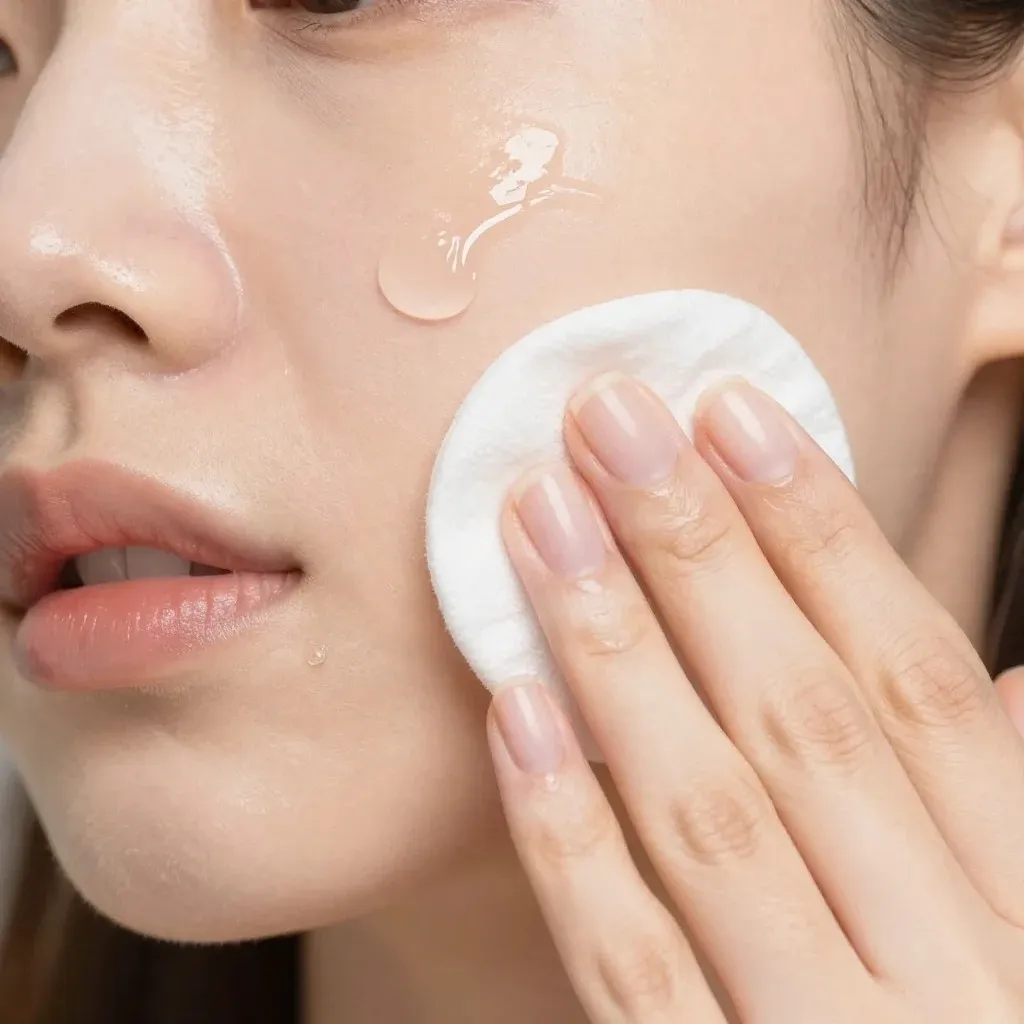
Why Your Skin Still Feels Oily Even After Washing
Have you ever washed your face and noticed oil coming back within a few hours? This is a very common issue with oily skin.
Over-washing or using strong cleansers can strip your natural moisture. When that happens, your skin produces more oil.
Instead of washing your face repeatedly, focus on using a mild cleanser and keeping your skin hydrated.
Finding the Right Balance Between Oil Control and Hydration
It might sound strange, but your skin actually needs some oil to stay healthy. Trying to remove all of it can make things worse.
When your skin becomes too dry, it goes into repair mode and starts producing extra oil. This creates a cycle that feels hard to control.
The goal is not to eliminate oil, but to keep it balanced. When you focus on hydration, your skin naturally becomes less greasy.
What Is the Right Daily Routine for Oily Skin?
You don’t need a complicated routine to manage oily skin. In fact, keeping things simple often works better.
Start with a gentle cleanser, then apply a lightweight toner or serum. After that, use a non-greasy moisturizer to keep your skin balanced.
Are you skipping moisturizer because your skin feels oily? That might actually be making things worse. A simple and consistent routine can make a big difference over time.
Conclusion
Effective results come from balancing excess oil control with proper hydration. Using gentle cleansers for oily skin, lightweight moisturizers, and non-comedogenic skincare products prevents dryness. A consistent routine supports healthy and shine-free skin in 2026.
Long-term improvement depends on smart product choices and simple habits. Incorporating an oil-control skincare routine 2026, balanced diet tips, and daily SPF reduces breakouts. Maintaining hydration while managing sebum ensures smooth, clear, and comfortable skin.
FAQ
1. What causes excess oil on the face?
Excess oil is mainly caused by overactive sebaceous glands. Hormonal changes, stress, humid weather, and using harsh skincare products can increase sebum production and make skin look shiny.
2. How can excess oil be controlled without drying the skin?
Use a gentle cleanser for oily skin, apply a lightweight oil-free moisturizer, and choose non-comedogenic products. Avoid over-washing, as it can trigger more oil production.
3. Is moisturizer necessary for oily skin?
Yes, skipping moisturizer can cause dehydration, which may increase oil. A gel-based moisturizer for oily skin keeps hydration balanced without clogging pores.
4. Which ingredients help reduce oily skin?
Ingredients like niacinamide for oil control, salicylic acid for clogged pores, and clay masks help manage shine while protecting the skin barrier.





Leave a Reply