Starting a career in the beauty industry can feel exciting and confusing at the same time. This field offers many beauty career paths for creative and passionate people. I have seen how skills and dedication can shape a successful beauty profession. Becoming a beauty professional opens the door to creativity, skill development, and a rewarding career in the beauty industry.
In today’s world, beauty professionals are in high demand across salons, media, and personal services. With the right beauty training and clear goals, growth becomes possible. I believe understanding the industry first makes the journey easier and more confident.
Understanding the Beauty Industry Landscape
The beauty industry is growing fast and offers many beauty career paths like makeup, skincare, and hair services. I noticed that this field values creativity, skill, and customer trust. Many people choose beauty as a profession because it allows personal expression.
In this beauty industry overview, salons, freelancing, and online platforms all play an important role. Sometimes, I see how trends and social media shape beauty careers today. This industry rewards those who stay updated and flexible.
From what I have learned, the beauty sector is not limited to salons only. Careers in beauty also include teaching, content creation, and product development. Understanding this landscape helps in planning a successful career as a beauty professional.
Is a Career in Beauty Right for You?
Choosing a career in beauty depends on interest, creativity, and patience. A beauty profession suits people who enjoy working with makeup, skincare, and personal grooming. Strong communication skills and a passion for beauty services are also important.
Many individuals attracted to the beauty industry love helping others feel confident and presentable. This field requires dedication, practice, and a willingness to learn new beauty trends. Flexibility and attention to detail support long-term success.
You can determine whether a career in beauty is suited for you by identifying your unique strengths. Having a firm hand and being at ease when talking with consumers are undoubtedly crucial abilities. Additionally, it can be much simpler to advance in your position as a beauty expert if you take the time to do a thorough self-evaluation.
Exploring Different Beauty Career Options
The beauty industry offers diverse career paths, from makeup artistry and skincare specialization to hairstyling and nail technology. These options provide opportunities for creative professionals to work in salons, spas, or freelance. Choosing a suitable role ensures alignment with personal skills and interests.
Many professionals also explore niche services like bridal makeup, theatrical makeup, or special effects beauty. Each specialization requires unique techniques and knowledge of industry trends. Understanding these options helps aspiring beauty experts plan their career path effectively.
Opportunities extend beyond hands-on services, including beauty content creation, blogging, and product consulting. These roles combine creativity with industry insight. Exploring all available options allows individuals to find a fulfilling and sustainable career in the beauty industry.
Choosing the Right Beauty Specialization
Selecting a beauty specialization helps define a clear career path. Makeup artists, skincare specialists, and hair stylists can focus on areas that match their skills. Choosing a niche allows professionals to stand out in the competitive beauty industry.
Opportunities in the beauty field vary widely. Bridal makeup, theatrical makeup, and wellness-focused services are popular beauty career paths. Exploring different niches ensures long-term growth and helps develop expertise in the chosen beauty profession.
I am also a beauty professional, and my experience has been amazing. This blog provides valuable insights, and by following it, you can gain the knowledge needed to start your own career in the beauty industry. With dedication, training, and guidance from resources like this, anyone can become a successful beauty professional and build a rewarding career.
Top of Form
Bottom of Form
Education and Training for Beauty Professionals
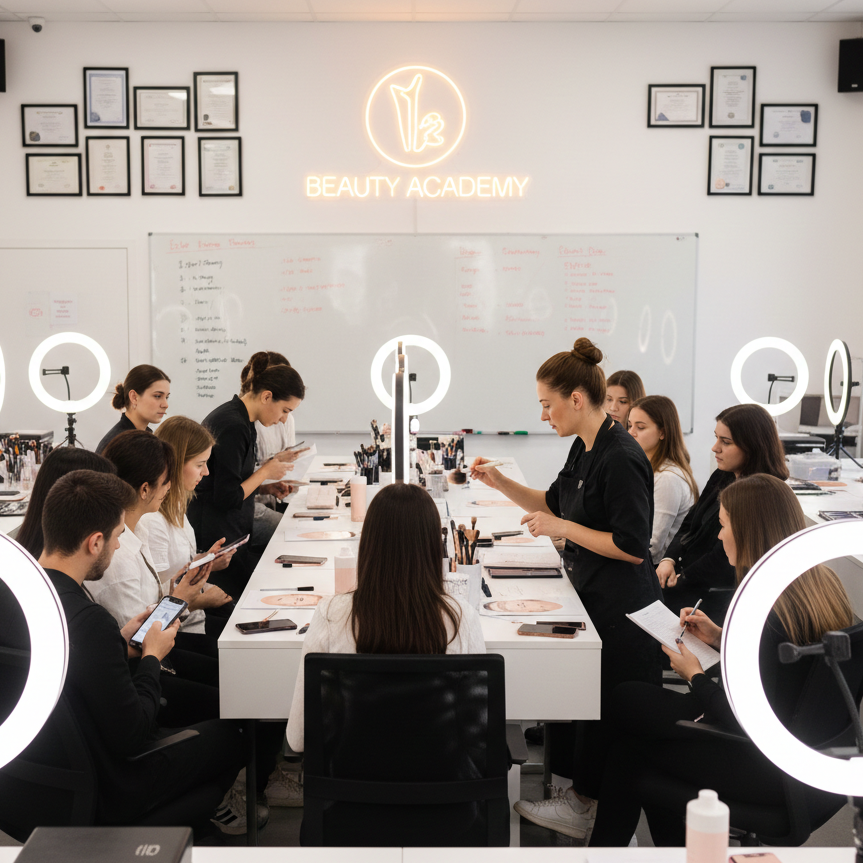
Professional beauty careers require proper cosmetology training and structured beauty courses. Accredited programs provide essential knowledge in skincare, hair styling, and makeup techniques, helping beginners develop practical skills. Choosing the right beauty school ensures a strong foundation for a long-term career.
Different programs focus on specific beauty niches, such as bridal makeup, skincare, or hairdressing. Attending workshops and short-term courses enhances hands-on experience and exposes students to industry-standard tools. A combination of formal education and practical training prepares aspiring professionals to meet client expectations effectively.
Certification, Licensing, and Legal Requirements
Obtaining a proper beauty certification ensures professionals meet industry standards and gain client trust. Licensing is mandatory in many regions to legally offer cosmetology services. Understanding the legal requirements for beauty professionals helps prevent fines and ensures safe practice.
Different beauty careers require specific certifications, from makeup artistry licenses to skincare specialist credentials. Professionals must check local regulations and renew certifications periodically. Compliance with professional licensing also boosts credibility and enhances career opportunities in the beauty industry.
Gaining Hands-On Experience in the Beauty Field
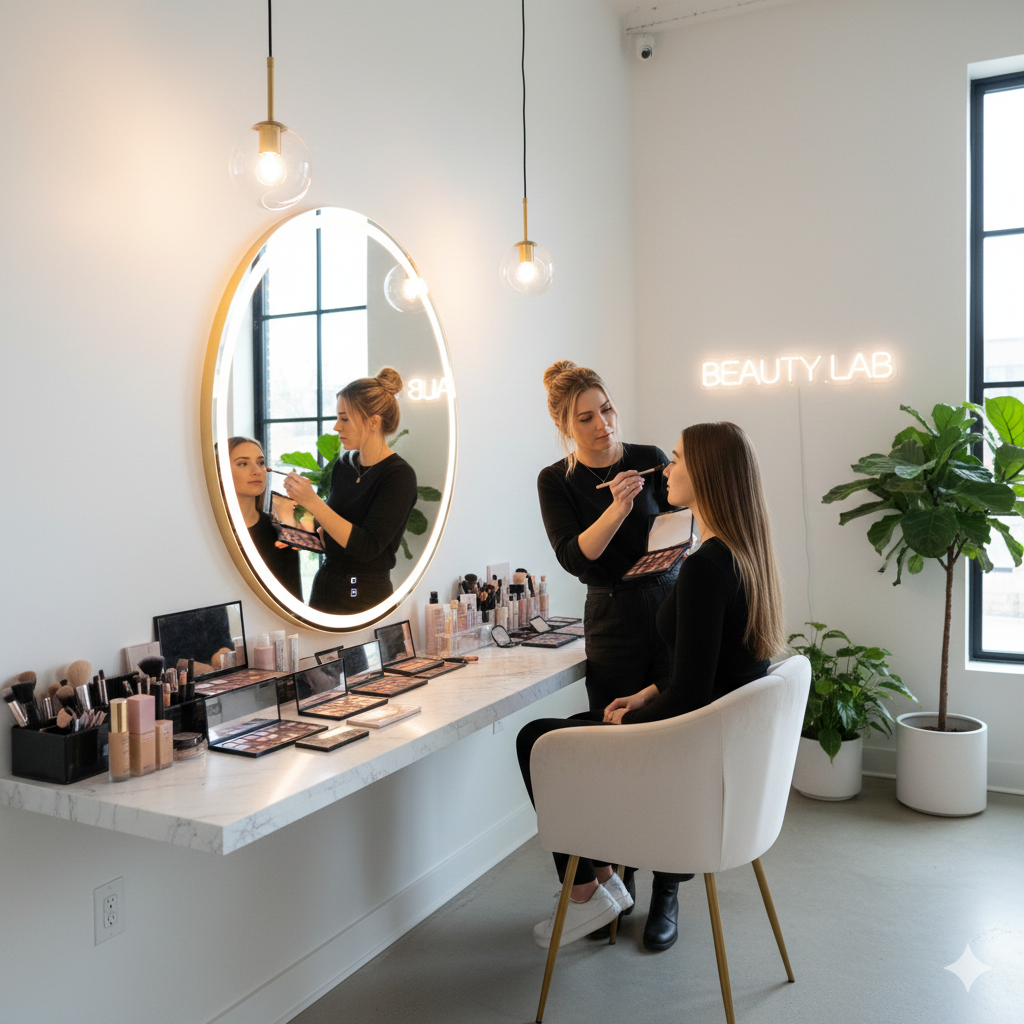
Practical experience is vital to refining skills and applying beauty techniques effectively. Internships or apprenticeships at reputable salons offer exposure to real-world cosmetology and client interactions. Hands-on practice builds confidence and prepares professionals for various beauty career paths.
Working under experienced mentors allows learning advanced makeup, hair, and skincare methods. Frequent practice also helps professionals understand client preferences and industry standards. Exposure to different beauty treatments and services ensures a well-rounded foundation for a successful career.
Building a Strong Beauty Portfolio
Creating a professional beauty portfolio showcases skills in makeup, skincare, and hairstyling. Including high-quality photos of client work or model projects highlights expertise. A well-organized portfolio impresses potential employers or clients and demonstrates proficiency in various beauty techniques.
Portfolios that feature diverse looks, including bridal, casual, and editorial styles, attract more opportunities. Digital portfolios on social media or personal websites improve visibility in the beauty industry. Highlighting LSI keywords like makeup portfolio and beauty work samples ensures relevance to the professional field.
Staying Updated with Beauty Trends and Skills
Keeping up with industry trends ensures beauty professionals remain competitive. Attending workshops, webinars, and industry events helps in learning new techniques and styles. This continuous learning strengthens skills and expands knowledge of beauty trends and innovative tools.
Understanding emerging trends, such as natural makeup, skincare innovations, and hairstyling techniques, is essential for career growth. Subscribing to beauty magazines or online platforms ensures professionals are aware of the latest industry updates. Highlighting continuous beauty education shows commitment to professional development.
Starting as a Freelancer or Beauty Entrepreneur
If you’re a freelance beauty professional, you have a fantastic opportunity to create a flexible career around your passions, whether it’s makeup, hairstyling, or skincare consultations. One of the most important steps for long-term success in this industry is to build your client base early on.
Many beauty entrepreneurs find that combining personal branding with their services is a great way to draw in clients. Plus, having a solid startup plan for your beauty business can help you manage finances, marketing, and service delivery effectively.
Don’t forget to invest in the right tools, certifications, and training to boost your credibility. By exploring various opportunities as a freelance beauty professional, you can enjoy the independence that comes with it while staying competitive in this ever-growing market.
Investment, Earnings, and Career Growth in Beauty
Understanding the beauty industry earnings helps plan a realistic career. Starting as a freelancer or in a salon may require small investment for beauty tools and courses. Choosing the right specialization can increase income and provide steady career growth.
Career growth in beauty depends on continuous learning and keeping up with trends in cosmetology and professional makeup. Professionals who invest in skills and networking can expand their client base. Long-term growth comes from balancing creative skills and business knowledge.
Networking and Personal Branding in the Beauty Industry
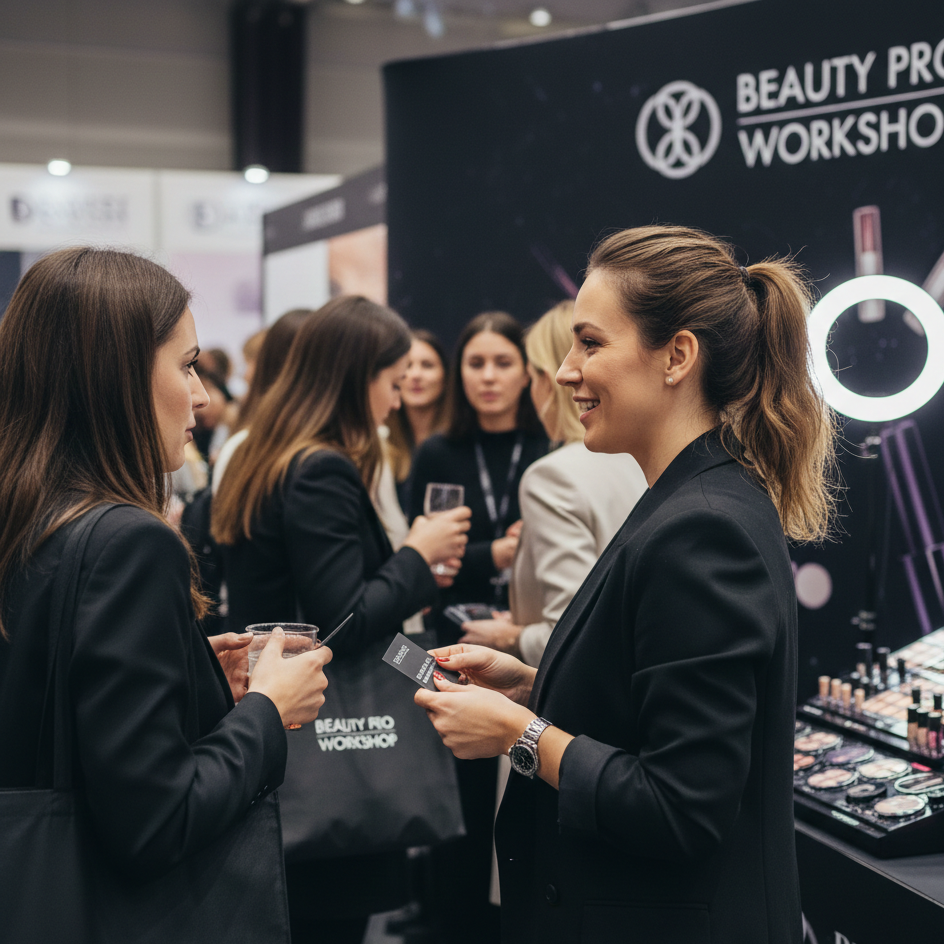
Networking with other beauty professionals and joining professional beauty associations opens doors to opportunities. Attending workshops and expos helps stay visible in the cosmetology and beauty services industry.
Building a strong personal brand in beauty ensures clients recognize skills and expertise. Social media presence and showcasing a professional portfolio of beauty work enhance credibility. A good brand also attracts collaboration and career advancement.
Conclusion
Building a career as a beauty professional demands proper beauty training, experience, and staying updated with industry trends.
Networking with other beauty professionals and creating a strong portfolio ensures career growth and long term success in the cosmetology field.
Choosing the right beauty specialization and obtaining certification and licensing helps establish credibility and opens opportunities in the professional beauty industry.
FAQ
Q1: What qualifications do I need to start a career in beauty?
Most beauty careers require a diploma or certification from a recognized beauty school, depending on your specialization.
Q2: How can I gain practical experience?
Internships, apprenticeships, or working in salons and spas provide hands-onbeauty training and exposure to real clients.
Q3: Do I need insurance to work professionally?
Yes, having freelance beauty insurance or liability coverage protects you while offering services to clients.
Q4: Can I start my own beauty business?
Absolutely. With proper certification, a portfolio, and knowledge ofindustry trends, starting a salon, freelance services, or online beauty business is possible.
Q5: How much do beauty professionals earn?
Income varies based on skills, location, and specialization. Experienced makeup artists, estheticians, and hairstylists can earn a competitive salary.




Leave a Reply