
Outdoor sports often seem harmless, but many cause sun exposure and UV radiation damage without notice. Long hours outside slowly affect skin health and weaken the natural barrier. These effects build up even on cloudy days.
Surprisingly, activities like climbing, riding, or navigation increase prolonged sun exposure and environmental skin damage. Wind, sweat, and heat add extra stress to the skin. Proper sun protection becomes essential to prevent premature aging and long-term issues.
How Hidden Sun Exposure Affects Active Skin?
Many outdoor sports expose the body to UV radiation for long periods without protection. This continuous sun exposure damages skin cells and weakens the skin barrier. Over time, this leads to dullness and uneven skin tone.
During physical activity, sweat and heat increase skin sensitivity and reduce natural defense. Wind and open environments add to environmental skin damage. Without proper sun protection, the risk of premature skin aging becomes higher.
Hidden Sun Exposure During Precision-Based Outdoor Sports
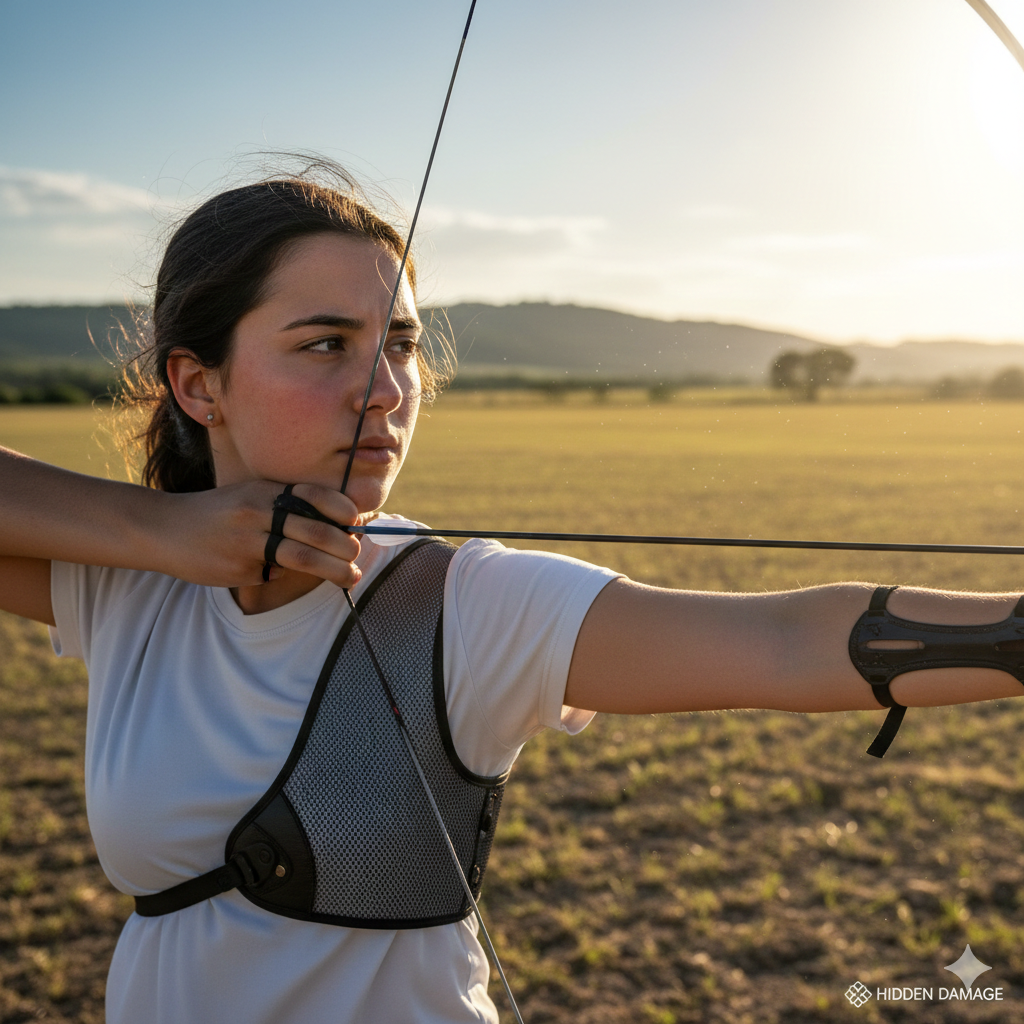
Precision-focused outdoor sports often require long periods of stillness under direct sunlight. Activities like archery or target-based sports increase prolonged sun exposure and allow UV radiation to penetrate the skin. Over time, this can weaken skin health and cause uneven tone.
Unlike fast-paced games, these sports limit movement and shade. Continuous exposure leads to sun damage, dryness, and early signs of skin aging. Using proper sun protection helps reduce long-term skin risks during such outdoor activities.
High-Altitude and Open-Terrain Sports Risks
High-altitude and open-terrain sports expose the skin to intense UV radiation due to elevation and lack of shade. Increased sun intensity in these environments can accelerate premature aging and sunburn. Proper skin protection is critical for athletes in these conditions.
Exposure to wind and dry air during outdoor climbing or hiking can lead to skin dehydration and irritation. These environmental factors weaken the skin barrier, making it more prone to damage and sensitivity. Hydration and protective clothing help maintain healthy skin.
Activities in open fields or mountainous areas often involve long hours of sun exposure. Without consistent use of sunscreen and moisture support, the risk of dark spots and uneven skin tone increases. Planning for sun protection ensures skin remains resilient and healthy.
Long-Duration Outdoor Games and Skin Stress
Extended outdoor sports often lead to prolonged sun exposure, which can increase UV damage and dark spots. Players who spend hours in the sun without protection risk dehydration, dry skin, and irritation.
Regular exposure during these games also weakens the skin barrier, making it more sensitive to environmental stressors like wind and pollution. Even moderate sunlight over long periods can contribute to premature aging and uneven skin tone. Even popular outdoor games like cricket, football, and cycling can secretly damage your skin if sunscreen and protective skincare are not used.
Proper preparation with sunscreen, protective clothing, and hydration can significantly reduce skin damage. Short breaks in shaded areas and maintaining a skincare routine after activity help maintain healthy, resilient skin despite long outdoor sessions.
Animal-Based Outdoor Sports and Skin Exposure
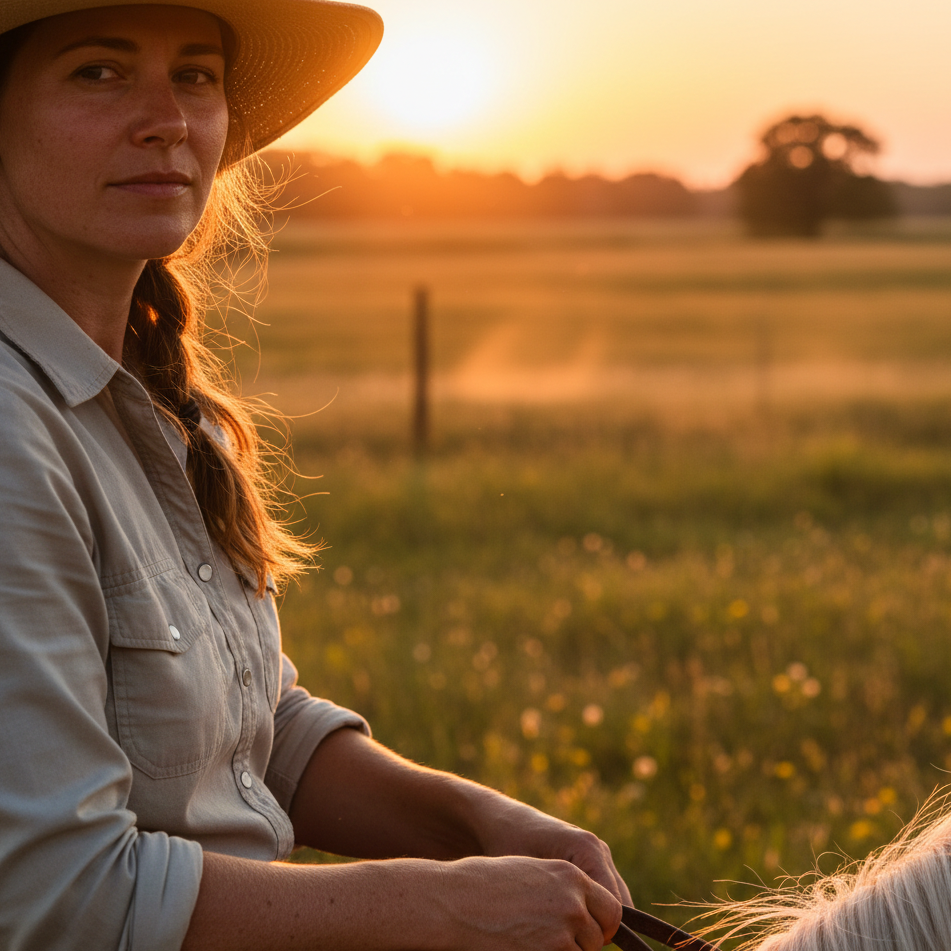
Equestrian and other animal-based outdoor sports combine prolonged sun exposure, wind, and dust that can harm skin health. Riding for long periods increases the risk of UV radiation damage and dryness, especially on exposed areas like the face and hands.
Proper skin protection is crucial during these activities. Wearing protective clothing, using sunscreen for outdoor sports, and maintaining hydration help prevent premature aging and keep the skin strong and healthy despite extended exposure.
Navigation and Endurance Sports in Natural Settings
Endurance and navigation sports often involve long hours under the sun, increasing UV exposure, and the risk of skin damage. Uneven terrain and changing weather conditions add stress to the skin barrier, making it more prone to dryness and irritation. Proper preparation helps reduce these risks.
Athletes in activities like trail running, orienteering, and long-distance cycling face prolonged sun exposure, which can lead to premature aging and dark spots. Even moderate sunlight can harm skin over time if sun protection is neglected. Consistent use of sunscreen and protective clothing is crucial.
Weather changes in natural settings also affect skin health, causing dehydration and sensitivity. Hydration and regular breaks help maintain skin hydration and overall wellness. Awareness of these factors ensures safer outdoor performance while protecting the skin.
Why Sun Protection Is Essential for Every Outdoor Sport?
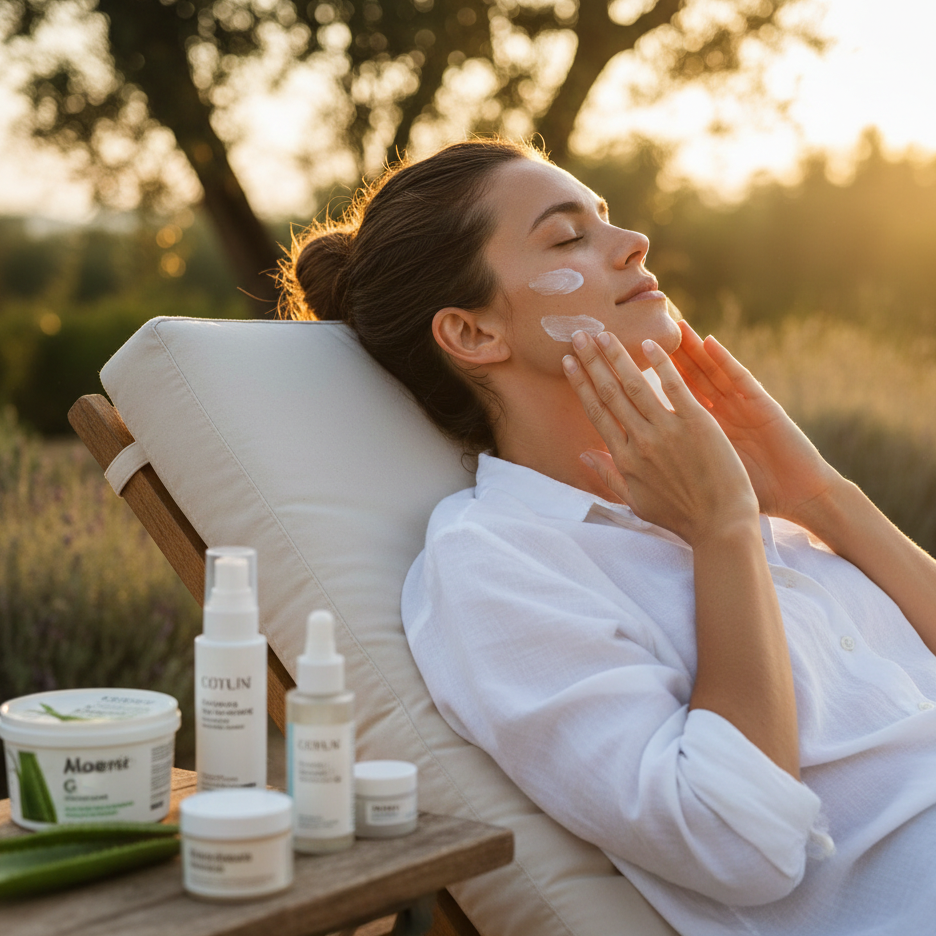
Sun protection is crucial for maintaining healthy skin during any outdoor activity. Sunscreen use reduces the harmful effects of UV radiation, preventing premature aging, dark spots, and dehydration. Even short periods outdoors can add up to significant skin damage over time.
Protective clothing, hats, and sunglasses complement sunscreen application to shield sensitive areas. Many athletes underestimate how prolonged sun exposure and wind affect the skin barrier, increasing the risk of irritation and long-term damage.
Consistent sun protection habits ensure that skin remains smooth and resilient despite outdoor challenges. Hydration and gentle skincare after activities also help repair environmental skin damage. With proper precautions, outdoor sports can be enjoyed without sacrificing skin health.
Conclusion
Outdoor sports can silently cause UV radiation damage and weaken the skin barrier over time. Regular sun protection and protective clothing reduce long-term effects on skin health.
Proper hydration and skincare routines help repair environmental skin damage caused by wind, sweat, and prolonged sun exposure.
Using sunscreen and maintaining consistent skin care habits ensures the skin remains healthy and resilient. Awareness of risks and simple precautions allows athletes to enjoy outdoor activities without compromising their natural skin glow and youthful appearance.
FAQs
Q1: Which outdoor sports cause the most hidden skin damage?
Sports like climbing, horseback riding, archery, and long-distance running expose skin to UV radiation and wind, increasing the risk of skin damage. Even casual outdoor activities can have prolonged effects.
Q2: How does sun exposure during sports affect skin?
Prolonged sun exposure leads to premature aging, dark spots, and a weakened skin barrier. UV rays damage collagen and increase sensitivity.
Q3: What protective measures can athletes take?
Using broad-spectrum sunscreen, wearing protective clothing, and staying hydrated help prevent environmental skin damage. Reapplying sunscreen during long sessions is essential.
Q4: Is skin damage noticeable immediately?
No, skin damage from outdoor sports accumulates over time. Early care and protection help maintain healthy skin and prevent long-term effects.
Q5: Can regular skincare repair damage?
Yes, consistent skin care routines, moisturization, and antioxidants support skin health and repair minor damage caused by outdoor sports.





Leave a Reply