
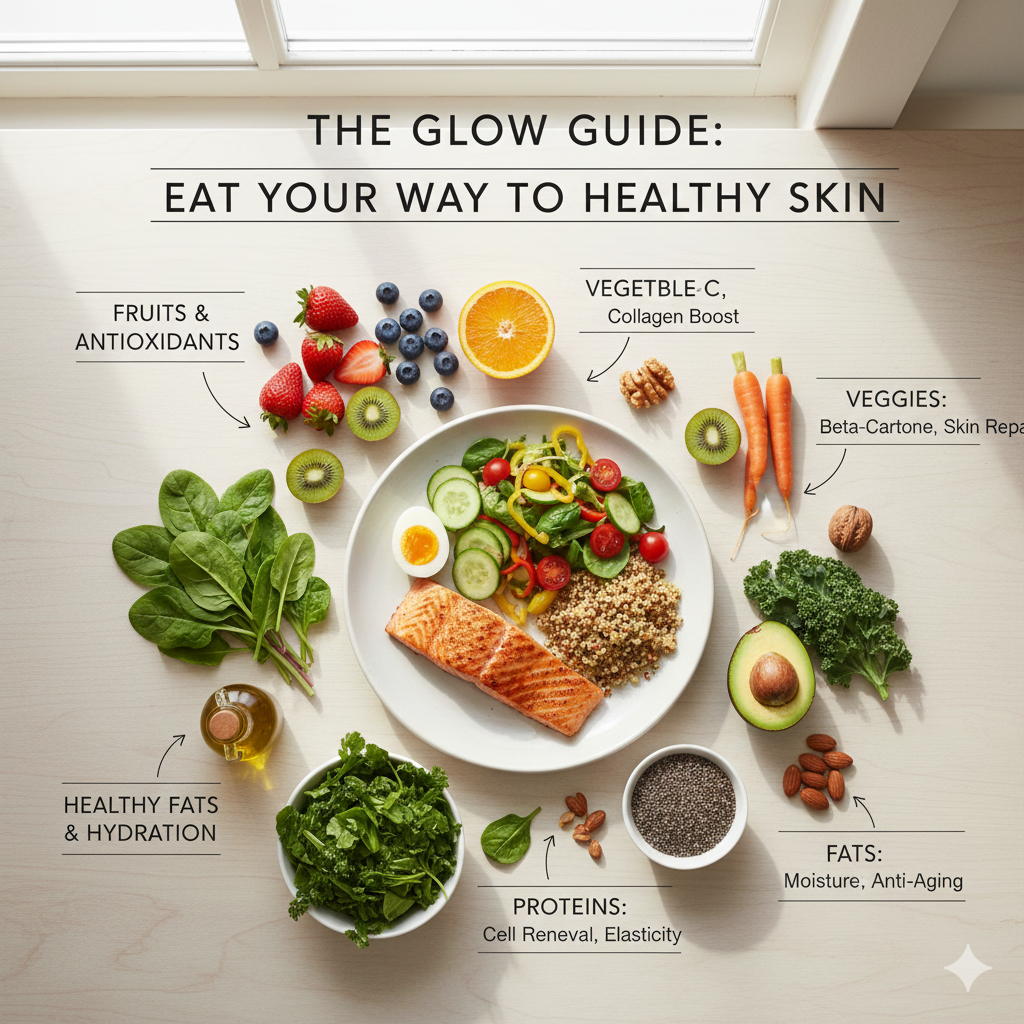
The proverb “you are what you eat” is well-known, and although it may not be strictly true, what we eat has a significant impact on our overall health. When it comes to skin health, this way of thinking is quite pertinent. Your kitchen is a terrific place to start if you’re wondering how to acquire glowing skin. Healthy, glowing skin is not only the result of good skincare products but also depends heavily on what you eat.
Your diet plays a powerful role in nourishing your skin from the inside. The right foods can improve skin texture, boost your natural glow, reduce acne, slow down the aging process, and protect against environmental damage.
In this blog, you will learn what to eat for good skin, which nutrients are essential, and how a balanced diet can transform your skin naturally. After I came to terms with this, I became more aware of how my food affected my skin, and it became evident that eating healthily improved the appearance of my skin. My skin made sure to alert me when I didn’t.
There is a true link between nutrition and skin. In actuality, radiant, healthy skin begins from the inside out, even though a proper skincare regimen is crucial.
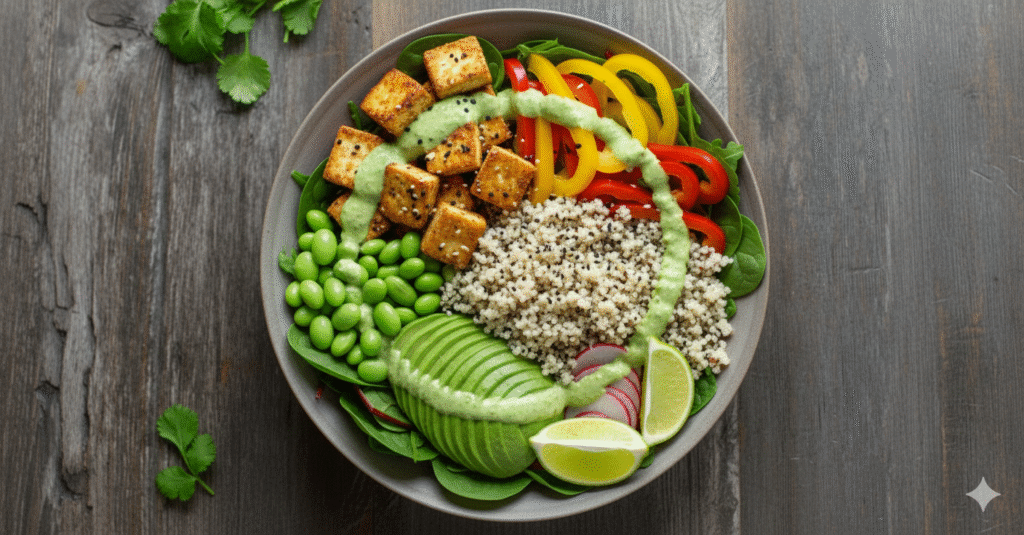
Why Diet Is Important for Skin Health
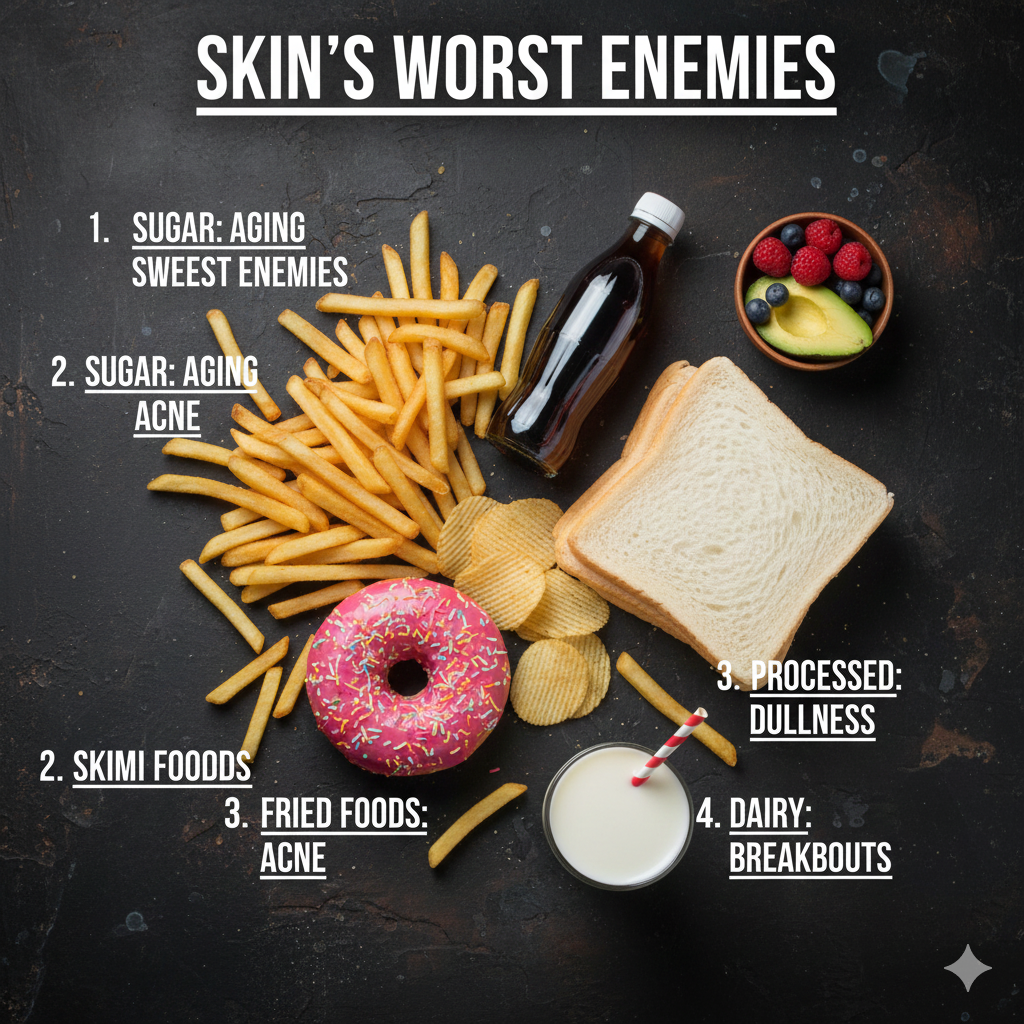
Your skin is the largest organ of your body, and it needs proper nutrition to function well. Foods rich in vitamins, minerals, antioxidants, and healthy fats help repair skin cells, fight inflammation, and maintain moisture levels. Poor eating habits, on the other hand, can lead to dull skin, breakouts, dryness, and early wrinkles.
When you nourish your body with skin-friendly foods, the results show on your face. Clear, smooth, and glowing skin often starts with healthy eating.
The Effects of Your Diet on Your Skin
The largest organ in your body, your skin, requires the right nutrition to perform at its best, just like any other organ. Consider it a mirror that reflects your internal bodily processes. A diet high in processed foods, refined carbohydrates, and unhealthy fats can throw off your body’s natural equilibrium, which frequently manifests as breakouts, dullness, or inflammation on your skin.
Conversely, a nutrient-rich diet gives your skin the building blocks it needs to flourish, enhancing its suppleness, moisture, and general health.
The science underlying this relationship is surprisingly simple: as you already know, your skin depends on vital vitamins (like A, C, and E), minerals (like zinc and selenium), healthy fats, and antioxidants to maintain its barrier function, repair itself, and fend off oxidative stress brought on by free radicals. These components frequently serve as the foundation for a large portion of the topical skincare products we use. Your skin may find it difficult to repair damage, hold onto moisture, or prevent premature ageing if your diet is regularly deficient in essential nutrients.
Essential Nutrients for Healthy Skin
Before exploring specific foods, it is important to understand the nutrients your skin needs most.
Vitamin C
Vitamin C helps boost collagen production, which keeps skin firm and youthful. It also brightens skin and reduces dark spots.
Vitamin E
Vitamin E protects the skin from damage caused by pollution and sun exposure. It also helps maintain skin moisture.
Omega-3 Fatty Acids
Omega-3 fatty acids keep skin hydrated, reduce redness, and help control acne.
Zinc
Zinc supports skin healing, controls oil production, and reduces acne breakouts.
Antioxidants
Antioxidants fight free radicals that cause premature aging and skin damage.

Best Foods for Healthy and Glowing Skin
Fruits for Natural Glow
Fruits are packed with vitamins, water, and antioxidants that improve skin health.
Citrus Fruits such as oranges, lemons, and grapefruits are rich in vitamin C. They help brighten skin and boost collagen.
Berries like strawberries, blueberries, and raspberries contain powerful antioxidants that slow aging and improve skin tone.
Papaya supports digestion and helps remove dead skin cells, giving skin a natural glow.
Avocado is rich in healthy fats and vitamin E, which deeply nourish and hydrate the skin.
Vegetables That Improve Skin Texture
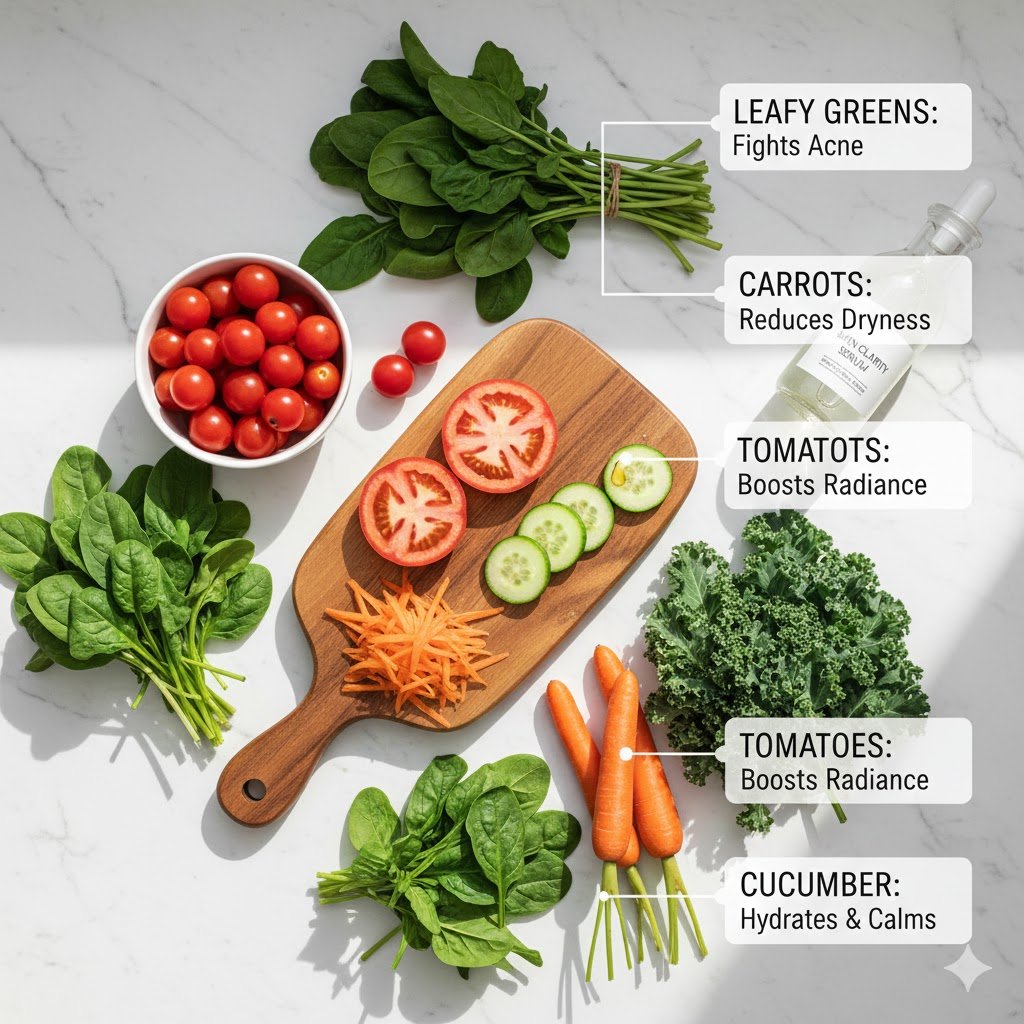
Vegetables provide essential nutrients that keep skin clear and smooth.
Leafy Greens such as spinach and kale contain vitamins A and C that repair skin and prevent dryness.
Carrots are rich in beta-carotene, which protects the skin from sun damage and improves complexion.
Tomatoes contain lycopene, which helps protect skin from UV damage and keeps it youthful.
Cucumber keeps skin hydrated due to its high-water content and reduces puffiness.
Healthy Fats for Skin Hydration
Healthy fats help maintain the skin’s natural oil balance.
Nuts and Seeds like almonds, walnuts, and sunflower seeds provide vitamin E and omega-3 fatty acids.
Olive Oil supports skin elasticity and reduces inflammation.
Fatty Fish such as salmon and mackerel, are excellent sources of omega-3s, which keep skin soft and glowing.
Protein-Rich Foods for Skin Repair
Protein is essential for repairing damaged skin cells.
Eggs provide amino acids and biotin, which support healthy skin and hair.
Lean Meat helps rebuild skin tissue and maintain firmness.
Legumes such as lentils and chickpeas contain protein and zinc that help control acne.

Dairy and Alternatives
Some dairy products can support skin health, while others may trigger acne in sensitive individuals.
Yogurt improves digestion and gut health, which reflects on clearer skin.
Plant-Based Milk, like almond or oat milk, can be a good alternative for acne-prone skin.
Importance of Hydration for Skin
Staying hydrated is super important for keeping your skin healthy. When you drink plenty of water, it helps your body get rid of toxins, prevents dryness, and keeps your skin looking plump and fresh. Try to aim for at least 8 glasses of water each day. And don’t forget, herbal teas, coconut water, and fruits with high water content can also help keep you hydrated!
Daily Diet Tips for Glowing Skin
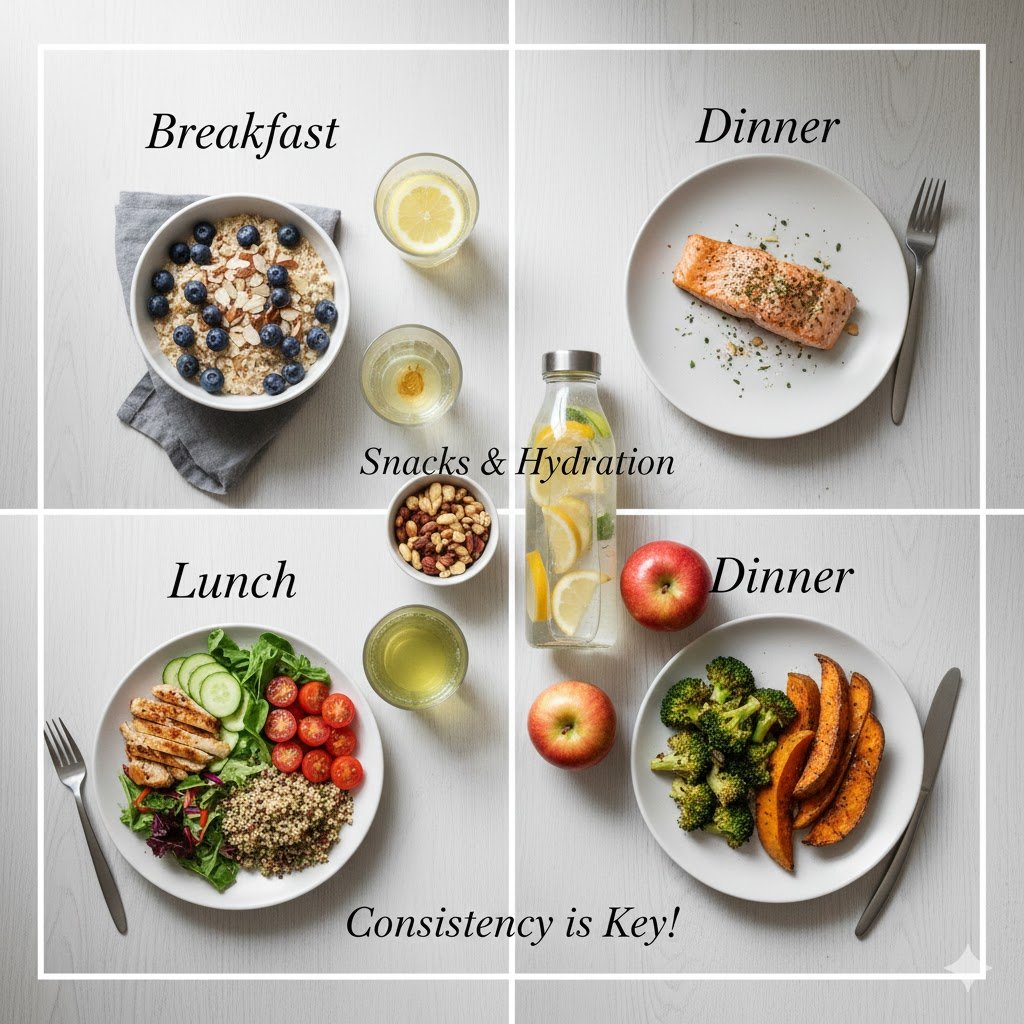
I follow these tips daily, and my skin is very healthy and glowing.
- Start your day with fruits or a smoothie.
- Include vegetables in every meal.
- Choose whole grains instead of refined carbs.
- Add healthy fats like nuts or olive oil to your diet.
- Stay hydrated throughout the day.
- Eat a balanced diet consistently for long-term skin benefits.
Lifestyle Habits That Support Healthy Skin
- A good diet works best when combined with healthy lifestyle habits.
- Get enough sleep to allow skin repair.
- Exercise regularly to improve blood circulation.
- Manage stress, as stress can trigger skin problems.
- Follow a simple skincare routine along with a healthy diet.
Final Thoughts
Beautiful skin starts from within. What you eat directly affects how your skin looks and feels. By including fruits, vegetables, healthy fats, proteins, and plenty of water in your daily diet, you can achieve naturally healthy and glowing skin. Instead of relying only on skincare products, focus on nourishing your body with the right foods. With consistency and patience, your skin will reflect the care you provide from the inside.
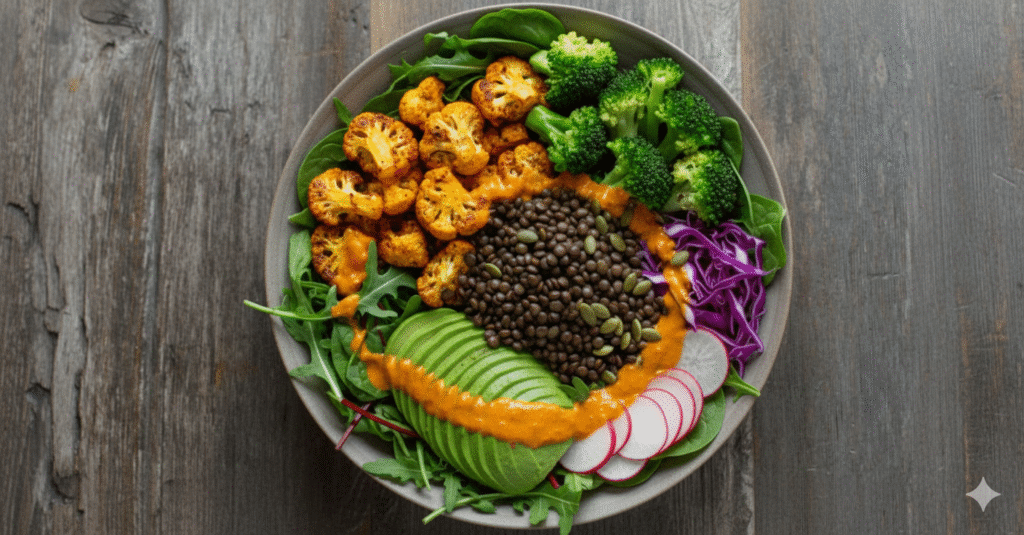
“A balanced diet is not a quick fix, but it is the most effective and long-lasting solution for healthy skin.”





Leave a Reply