
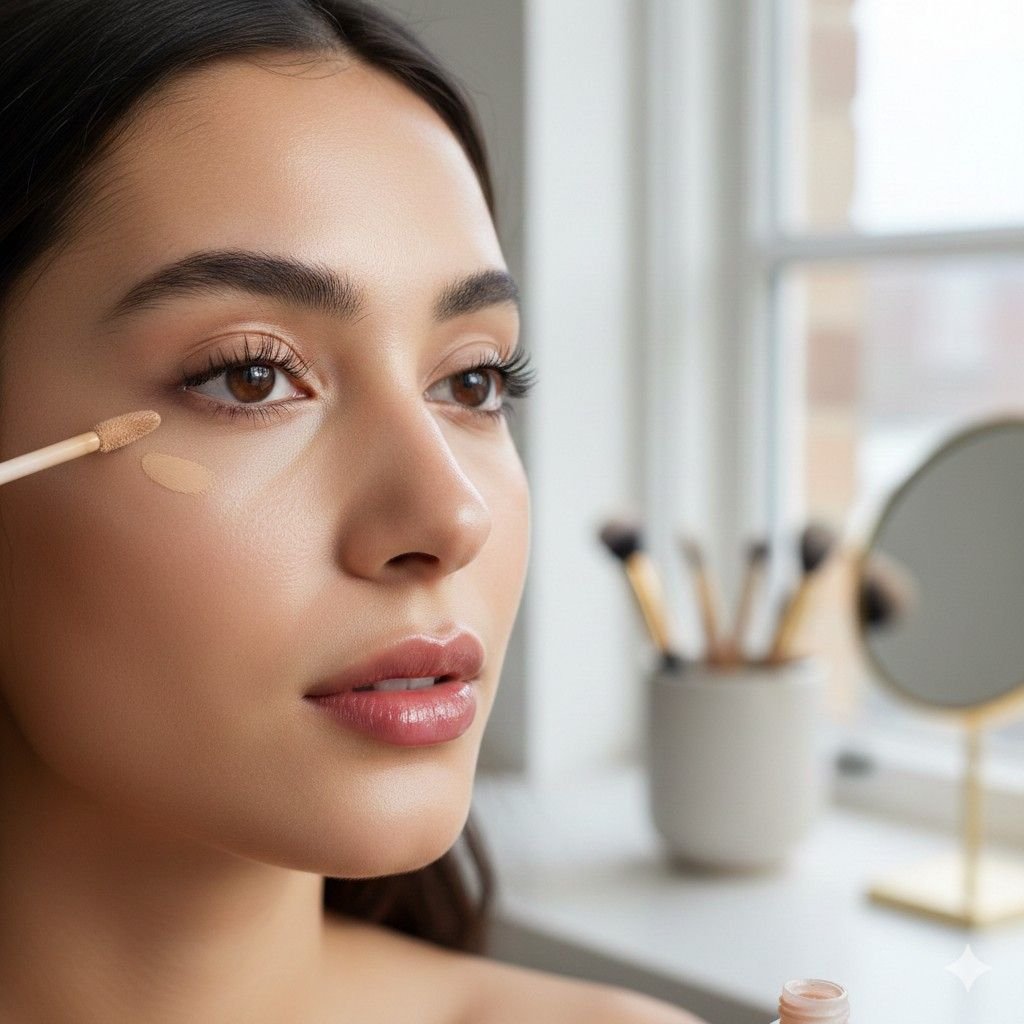
Many makeup lovers search for solutions when Why Your Concealer Looks Grey Under Eyes becomes a daily struggle. This issue often happens due to wrong under-eye undertone matching, incorrect concealer shade selection for dark circles, or skipping proper color correction for blue and brown pigmentation. In 2026 beauty trends, experts highlight that understanding skin undertones and discoloration types is the key to preventing an ashy finish.
Instead of blaming the product, focus on factors like hydrating under-eye prep routine, lighting differences, and formula choice. Trending makeup techniques now recommend using peach or orange corrector for dark circles, followed by a balanced brightening concealer for medium to deep skin tones. When the right layering method and lightweight blending tools are used, the grey cast problem can be reduced effectively.
The Real Reason Why Concealer Looks Grey Under Eyes
Often, the main cause of why concealer looks grey under the eyes is incorrect undertone matching for dark circles and using shades that are too light. When beige or ivory tones sit on top of blue or brown discoloration, the mix creates a dull, ashy finish instead of brightness. In 2026 beauty trends, experts recommend choosing a peach or orange corrector for under-eye darkness before applying concealer.
Another common mistake involves skipping proper skin prep and layering thick formulas that crease and oxidize. Heavy product buildup affects under-eye makeup blending techniques and makes grey patches more visible in natural light. For better results, follow this simple approach:
- Use a thin layer of color corrector for dark circles
- Pick a hydrating, skin-tone concealer
- Blend with a damp sponge for seamless coverage
Understanding Skin Undertones and Under-Eye Pigmentation
Different types of under-eye discoloration require different solutions, especially when dealing with blue or purple dark circles and brown under-eye pigmentation. When the wrong shade of concealer is applied without proper undertone matching, the result often appears dull or grey. Identifying whether the concern is vascular darkness or hyperpigmentation helps choose the right color-corrector for dark circles before applying coverage.
In 2026 makeup trends, experts recommend analyzing warm, cool, olive, or neutral undertones before selecting a brightening concealer for the under eyes. For better results, consider:
- Peach corrector for light to medium blue tones
- Orange corrector for deeper skin tones
- Yellow-based concealer for mild discoloration
This targeted correction method prevents the grey cast and improves overall under-eye brightness naturally.
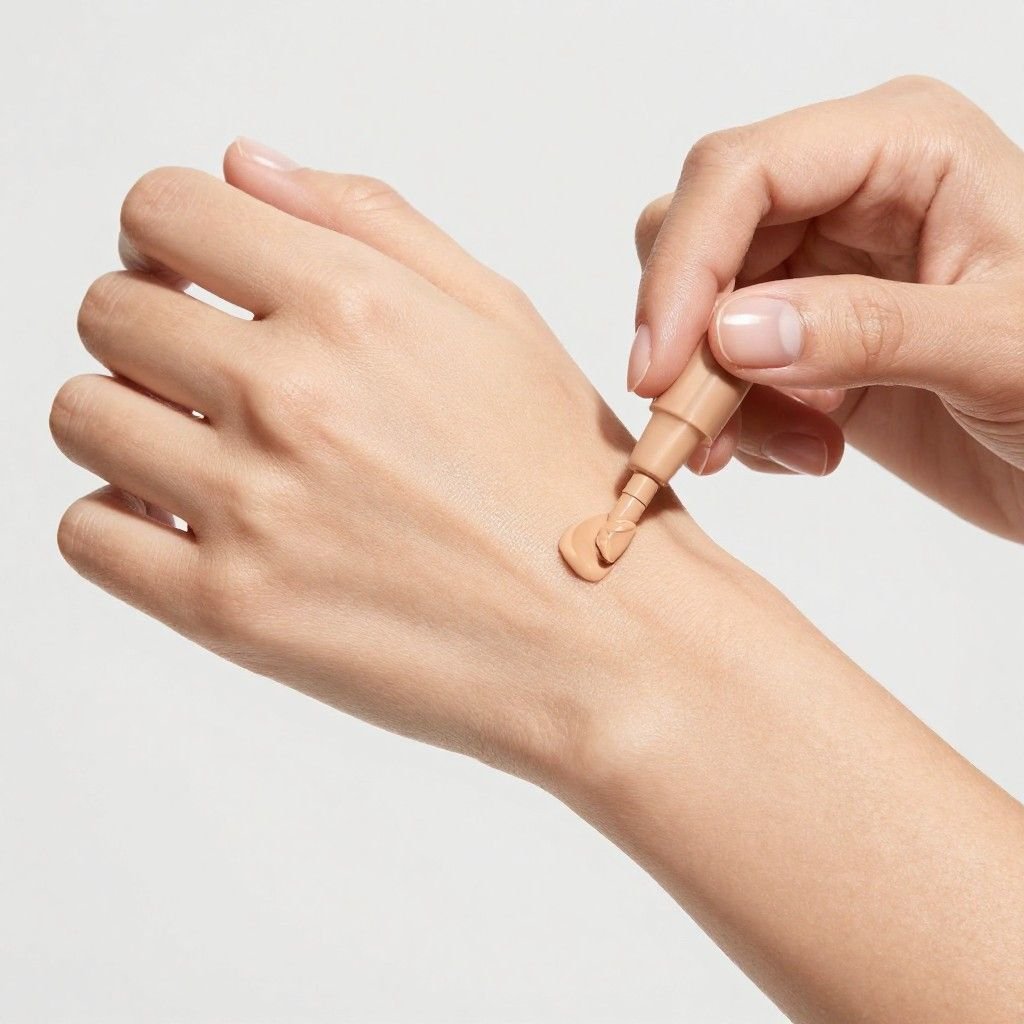
Concealer vs Color Corrector
Many makeup users confuse concealer with color corrector for dark circles, which leads to a grey or ashy finish. A peach corrector for blue under eyes or an orange corrector for deep skin tones neutralizes discoloration before coverage is applied. Without a proper undertone neutralization technique, even a high-coverage concealer can look dull and uneven in natural light.
In 2026 beauty trends, professionals recommend a simple layering method for a smooth under-eye base.
- Apply a thin layer of color corrector for hyperpigmentation under the eyes
- Blend gently before adding a brightening concealer for dark circles
- Set lightly to avoid creasing and oxidation
This updated under-eye makeup routine for grey concealer fix improves brightness and creates a natural finish that performs well in daylight and on camera.
Shade Selection Mistakes That Cause Ashy Under Eyes
Choosing the wrong shade is one of the biggest reasons why your concealer looks grey under the eyes in 2026 makeup routines. A tone that is too light or lacks the correct undertone match for dark circles can mix with blue or brown pigmentation and create an ashy finish. Instead of brightening, it highlights discoloration and makes the under-eye area appear dull and uneven.
Another common issue appears when selecting concealers without checking long-tail shade match for under-eye hyperpigmentation or testing in natural light. For better results:
- Pick a shade only one tone lighter than the foundation
- Match with peach or orange corrector for dark circles
- Choose a hydrating full coverage under-eye concealer, 2026 trend
These simple adjustments improve brightness and prevent the unwanted grey cast.
Application Techniques That Prevent Grey Under-Eye Concealer
Proper blending techniques play a major role in preventing grey concealer under the eyes and uneven coverage. Applying thin layers using a damp sponge improves brightening concealer application for dark circles and reduces product buildup. In 2026 makeup trends, soft tapping instead of dragging helps maintain smooth texture and prevents patchiness.
Additionally, setting methods can impact how the under-eye concealer for medium skin tone appears throughout the day. A light dusting of finely milled powder supports long-lasting crease free under-eye makeup without dulling brightness. For better results, follow the simple steps:
- Use minimal product
- Blend outward gently
- Avoid heavy baking under the eyes
Why Lighting and Skin Prep Matter?
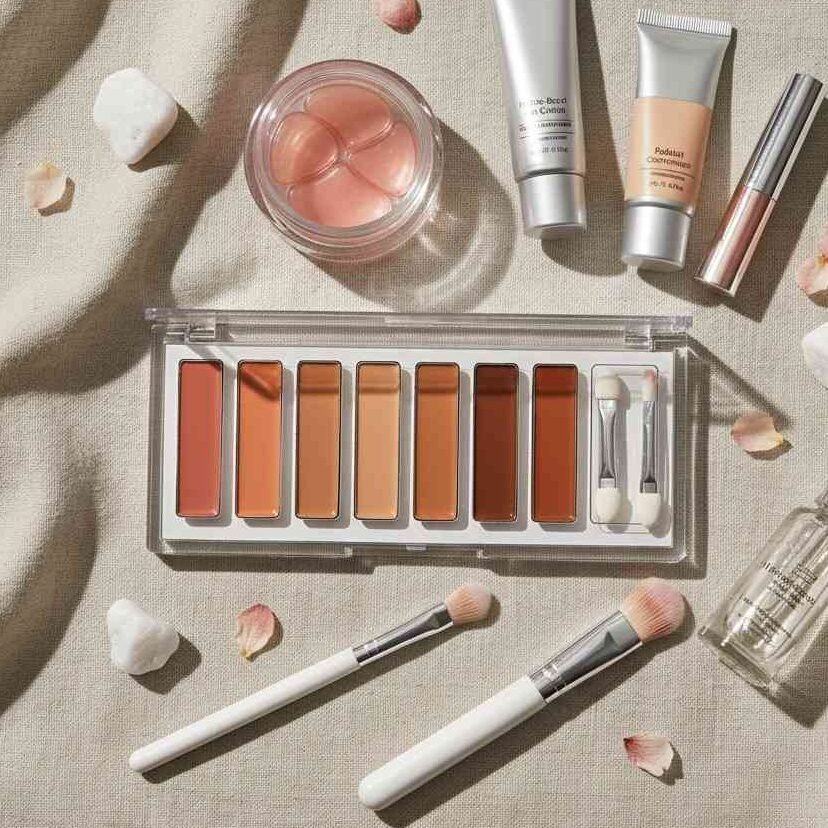
Different lighting conditions can completely change how the under-eye concealer for dark circles appears throughout the day. Store lighting hides undertone issues, while natural daylight reveals a grey cast under the eyes caused by poor shade matching. In 2026 beauty trends, testing concealer in sunlight and choosing the correct undertone concealer for medium skin is strongly recommended for accurate results.
Proper preparation of the under-eye area improves blending and prevents patchiness that leads to dull tones. Before applying makeup, follow a simple under-eye skin prep routine for flawless concealer:
- Use a lightweight hydrating eye cream before concealer
- Allow products to absorb fully
- Apply thin layers using a damp sponge
Balanced hydration and updated 2026 brightening makeup techniques help reduce creasing and eliminate the unwanted grey effect.
Conclusion
Grey under-eye concealer is not a product failure; it is usually a shade-matching or undertone issue. Correcting discoloration with the right color correction technique, choosing balanced shades, and applying thin layers can transform the result instantly. Modern 2026 makeup trends emphasize undertone mapping and lightweight layering for a smooth, bright finish.
By understanding your skin’s unique pigmentation and using proper neutralizing strategies, under-eye makeup becomes easier and more effective. Small adjustments in shade selection, formula choice, and blending method can eliminate the grey cast and restore a natural, radiant look.
FAQ
1. Why does my concealer look grey under my eyes?
A grey cast usually appears when the concealer shade is too light or does not match your skin undertone. It can also happen if dark circles are not neutralized with a color corrector before applying concealer.
2. How can grey under-eye concealer be fixed quickly?
Use a peach or orange corrector for dark circles first, then apply a thin layer of concealer that matches your undertone. Blend gently and avoid heavy product buildup.
3. Why does concealer look fine in-store but grey at home?
Store lighting often hides undertone issues. Always check concealer in natural daylight to ensure the correct shade match.
4. Can foundation replace concealer under the eyes?
Foundation provides light coverage, but it does not neutralize discoloration like a proper under-eye concealer and corrector combination.
5. Does skin prep matter before concealer?
Yes. Hydrated skin improves blending and prevents creasing, making concealer look smoother and brighter.





Leave a Reply