
Introduction
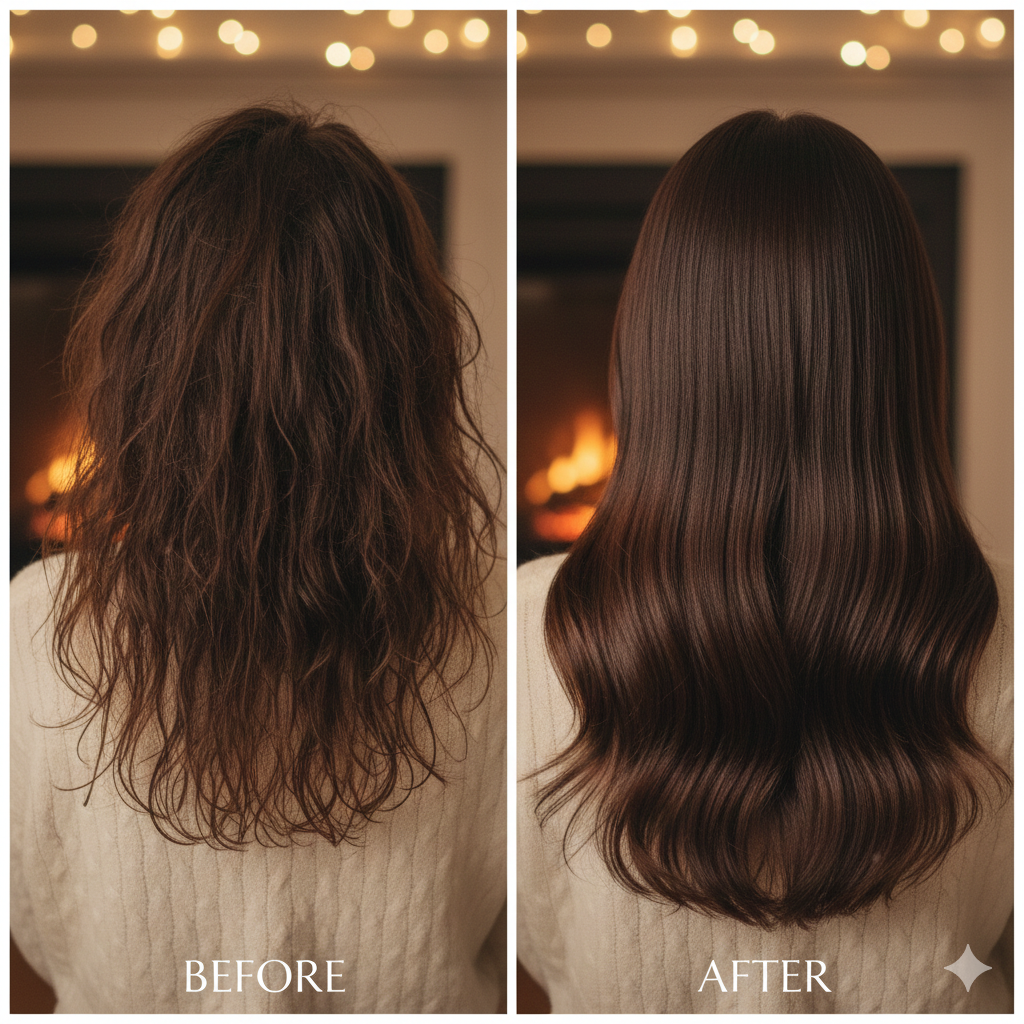
Your hair can suffer greatly during the winter since the chilly air instantly removes moisture, leaving it dry, brittle, and prone to split ends. This can be the cause of your dry, frizzy hair. My hair used to become extremely dry and frizzy during winter, but ever since I started following a proper hair care routine, my hair has improved a lot. It now feels softer, healthier, and much more manageable. Regular oiling, deep conditioning, and protecting my hair from harsh weather have made a noticeable difference. Taking care of my hair consistently has truly transformed its texture and overall appearance.
Winter can be harsh on your hair. Cold winds, dry air, and indoor heating strip moisture from your scalp and strands, leaving hair dry, brittle, and frizzy. Many women struggle with increased hair fall, dandruff, and dullness during the colder months. However, with the right winter hair care routine, you can maintain healthy, shiny, and manageable hair throughout the season. In order to keep your hair healthy throughout the year, we’ll go over how to protect it and create a Winter Hair Care Routine in this blog post.
The Effects of Winter on the Health of Your Hair
Winter’s low humidity and chilly air deprive your hair of its natural moisture, leaving it lifeless and dry. Your scalp may become flaky, and your hair is more likely to break as a result of the combination of indoor heating and severe weather.
During winter, humidity levels drop significantly. This lack of moisture affects your scalp and hair, causing dryness and frizz. Indoor heating further worsens the problem by pulling moisture from the air.
Key Causes:
- Cold weather and dry air
- Excessive use of heaters
- Hot water showers
- Lack of proper hair nourishment
Tips for Winter Hair Care
It’s crucial to give your hair extra attention in the winter. The dry, chilly air can harm hair, leaving it frizzy and lifeless. You can maintain the health and luster of your hair by using these winter hair care techniques.
- After shampooing, apply a conditioner.
- Use a shampoo without sulphates instead.
- Once a week, give your hair a deep conditioning.
- Consume wholesome foods to maintain strong hair.
- Every week, exfoliate your scalp.
The importance of Taking Care of Your Hair
Although maintaining your hair is a year-round endeavor, the weather can seriously harm your hair in the autumn and winter. The cold, dry air and indoor heating systems can cause dry, brittle hair. For your hair to appear its best in the autumn and winter, you must develop a seasonal hair care regimen. Proper winter hair care prevents dryness and frizz caused by cold, dry air.
Winter Hair Care Routine for Every Hair Type
Following the Step-by-Step Routine
Switch to a Moisturizing Shampoo
Using the same shampoo throughout the year can damage your hair during winter, as cold weather requires extra moisture and gentle care. Switching to a sulfate-free, moisturizing shampoo helps cleanse the scalp without stripping away natural oils, which are essential for keeping hair hydrated and healthy. A moisturizing shampoo and conditioner are essential for winter hair care routines. To maintain balance, wash your hair only 2–3 times a week, avoid shampoos containing alcohol and harsh sulfates, and choose nourishing formulas enriched with ingredients like argan oil, shea butter, or aloe vera to combat dryness and frizz effectively.
Never Skip Conditioner
Never skipping conditioner is essential during winter, as it acts as your hair’s best defense against dryness and frizz. Conditioner helps seal moisture into the hair cuticles, making strands smoother, softer, and more manageable despite the harsh weather. For best results, apply conditioner mainly from the mid-lengths to the ends of your hair, leave it on for 2–3 minutes to allow proper absorption, and use a deep conditioning treatment at least once a week to restore lost moisture and keep your hair healthy and nourished.
Oil Your Hair Regularly
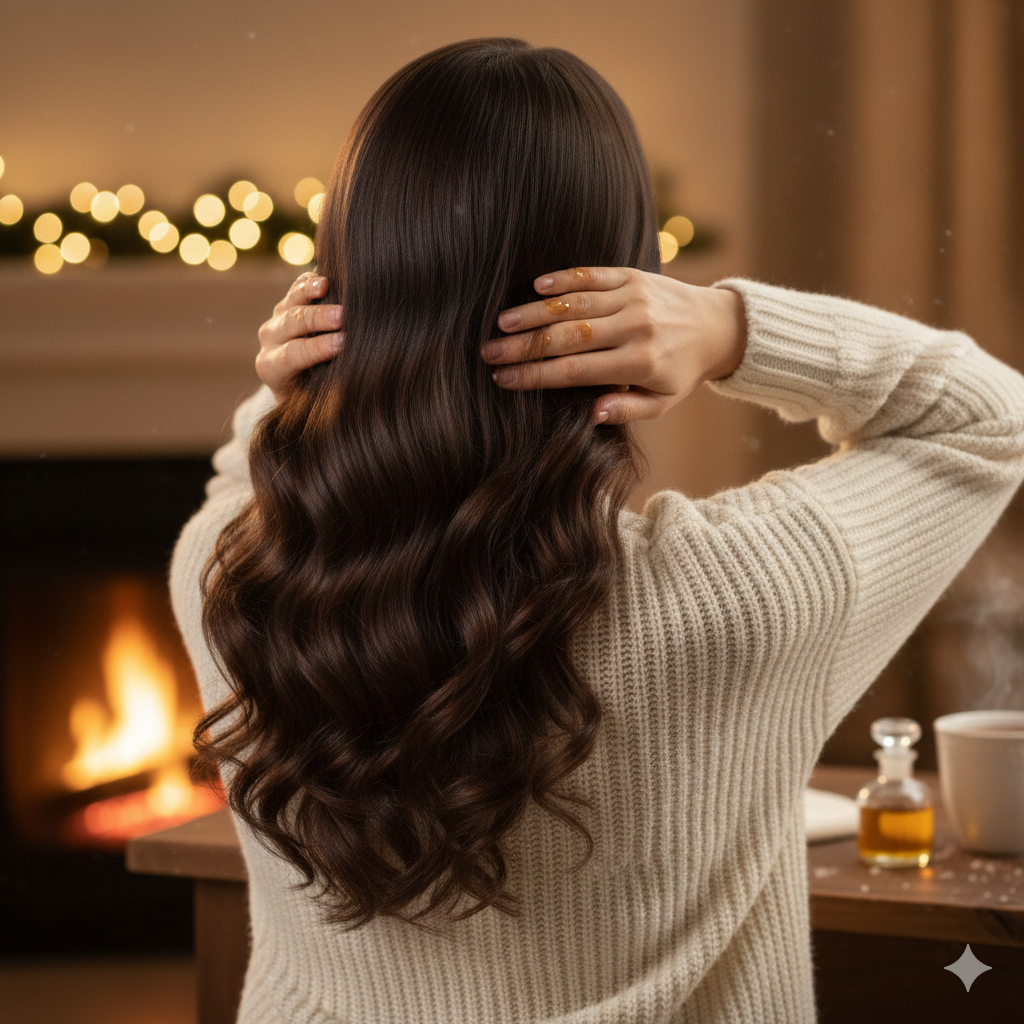
Because it deeply nourishes the scalp, lessens dryness, and enhances blood circulation for healthy hair growth, oiling your hair daily is especially crucial during the winter. Natural oils like castor oil, coconut oil, almond oil, or olive oil help strengthen hair from the ground up and replenish lost moisture. Once or twice a week, gently massage heated oil into your scalp for optimal effects. This will allow the oil to enter deeply and maintain your hair manageable, lustrous, and silky throughout the winter. Using nourishing oils is a key step in effective winter hair care.
Avoid Hot Water Washes
Avoiding hot water washes is crucial during winter, as hot water strips away the natural oils from your scalp and hair, making them more prone to dryness, frizz, and breakage. Instead, use lukewarm water to wash your hair, as it cleanses gently without causing excessive moisture loss. Finishing with a cool water rinse helps seal the hair cuticles, locking in moisture and adding shine, while limiting the overall hair washing time further protects your hair from becoming overly dry.
Protect Hair from Cold Winds
Protecting your hair from cold winds is essential during winter, as harsh winds can damage the hair shaft and lead to split ends and breakage. To minimize this, cover your hair with a scarf or cap whenever you go outside, and opt for silk or satin-lined caps to reduce friction and prevent frizz. Additionally, avoid tight hairstyles that pull on the hair, as they can cause stress on the strands and contribute to breakage, keeping your hair healthier and more resilient in cold weather.
Reduce Heat Styling
Reducing heat styling during winter is crucial, as excessive use of hair dryers, straighteners, and curlers can worsen dryness, frizz, and overall hair damage. Whenever possible, allow your hair to air-dry naturally to retain moisture and prevent heat stress. If you must use styling tools, always apply a heat protectant spray beforehand and choose low-heat settings to minimize damage, keeping your hair healthier, shinier, and more manageable throughout the colder months.
Use Hair Masks Weekly
Using hair masks weekly is an effective way to restore lost moisture and repair damage caused by winter dryness. Deep conditioning treatments penetrate the hair shaft, leaving strands soft, nourished, and more manageable. For a natural approach, you can try DIY hair masks such as yogurt with honey, banana with olive oil, or aloe vera with coconut oil. Applying these masks once a week helps maintain hydration, reduce frizz, and keep your hair healthy and shiny throughout the cold season.
Keep Your Scalp Hydrated
Keeping your scalp hydrated is essential during winter, as dryness can lead to dandruff, itching, and irritation. To maintain a healthy scalp, use an anti-dandruff shampoo if necessary, and massage your scalp gently to stimulate blood circulation and promote natural oil distribution. Avoid scratching, as it can damage the scalp and worsen dryness, ensuring your hair remains healthy, nourished, and comfortable throughout the colder months.
Maintain a Healthy Diet
Maintaining a healthy diet is crucial for strong and shiny hair, as hair health begins from within. During winter, focus on including nutrient-rich foods that support hair growth and prevent dryness. Incorporate nuts and seeds for essential vitamins, eggs for protein, spinach for iron and antioxidants, and fish rich in omega-3 fatty acids to nourish hair from the inside out. Additionally, drink plenty of water to keep both your scalp and hair hydrated, ensuring healthy, resilient strands throughout the season.
Trim Hair Regularly
Trimming your hair regularly is essential to prevent split ends and minimize breakage, keeping your hair looking healthy and polished. Aim to trim your hair every 6–8 weeks, paying special attention to damaged or dry ends. Regular trims not only maintain the shape and style of your hair but also promote overall hair strength and prevent further damage, especially during the harsh winter months.
Conclusion

Hair doesn’t have to be dry, frizzy, and uncontrollable during the winter. You may have healthy, gorgeous hair throughout the winter by following a nutritious hair care regimen, shielding your hair from inclement weather, and utilizing the appropriate products. Maintaining consistency is essential; even minor adjustments to your routine can have a significant impact.





Leave a Reply